历史时期
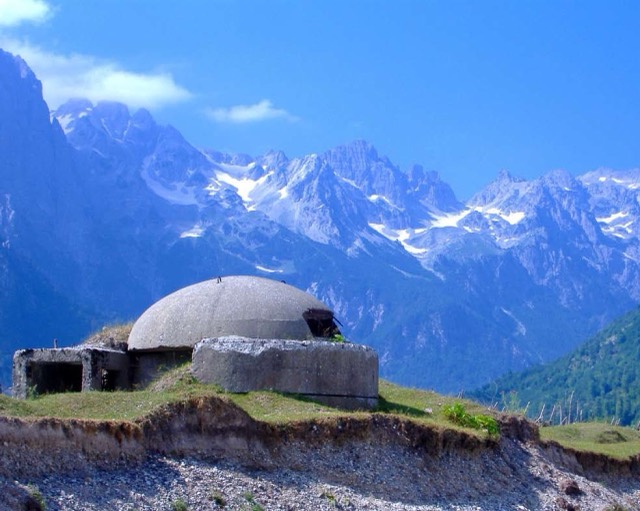
Modern Albania
NATO membership in 2009, EU candidate status in 2014, and tourism growing into a central industry.
🧭 引导视图
初次了解阿尔巴尼亚?每个页面均以通俗易懂的说明开篇——即便是十岁的孩子也能读懂——随后再展开详细内容。
⚡ 专业视图
您已掌握基础知识。直接进入正题,简明解释默认隐藏。此为默认模式。
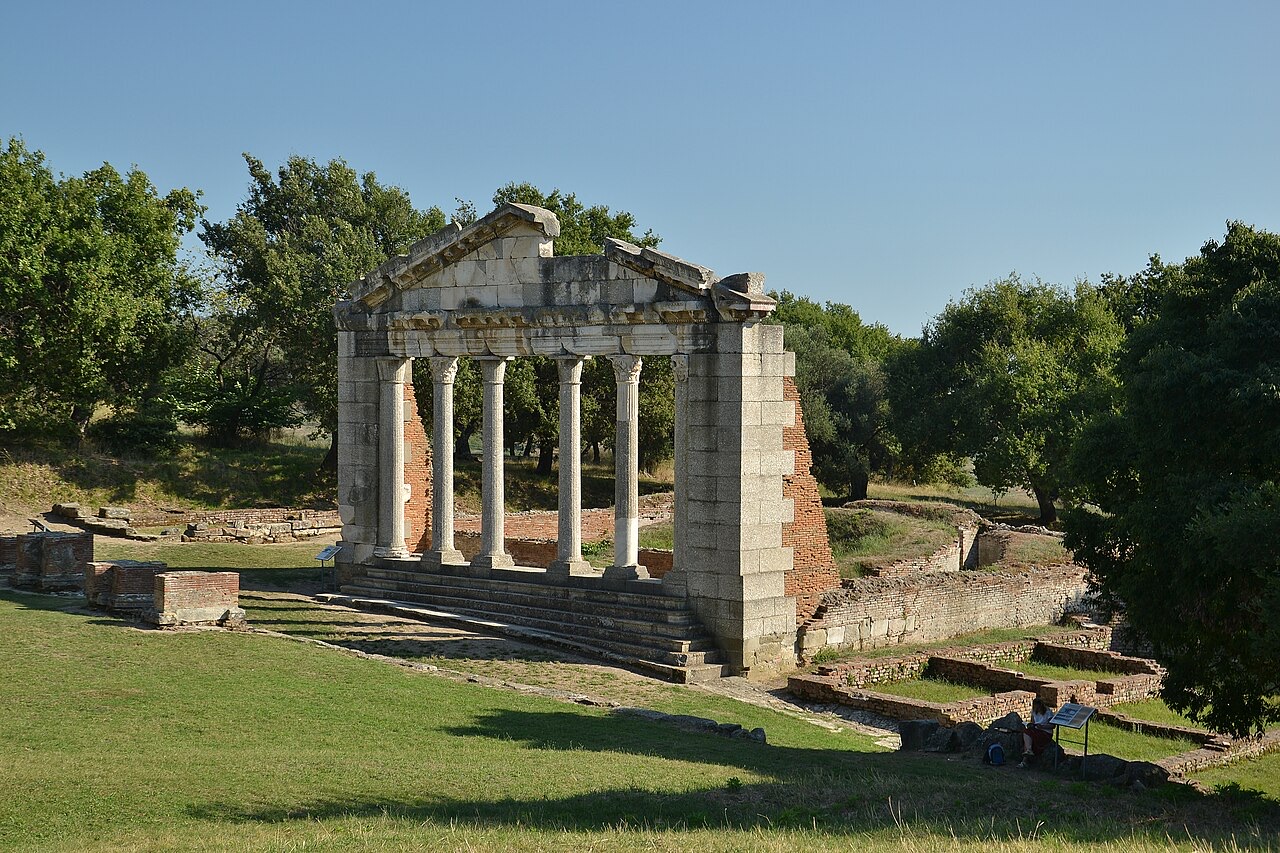
When communism ended, Albania opened suddenly. Hundreds of thousands of people emigrated. In 1996 and 1997 huge fraudulent investment schemes collapsed, wiping out families' savings; the state briefly lost control and an international force was sent in.
When communism ended, Albania opened suddenly. Hundreds of thousands of people emigrated. In 1996 and 1997 huge fraudulent investment schemes collapsed, wiping out families' savings; the state briefly lost control and an international force was sent in.
Enver Hoxha, who had ruled Albania for four decades, died on 11 April 1985. His designated successor, Ramiz Alia, became the first President of Albania and initially attempted to continue Hoxha's policies. Pressure from students and workers, combined with the wider collapse of communist governments across Eastern Europe and Mikhail Gorbachev's introduction of glasnost and perestroika in the Soviet Union, forced Alia's hand. He signed the Helsinki Agreement and permitted political pluralism.
The Albanian Socialist Party, led by Alia, won the elections of 1991, but the result did not halt the momentum of change. A general strike undermined the new government within months, and a committee of national salvation that succeeded it also collapsed within half a year. On 22 March 1992, the Democratic Party defeated the former communists in parliamentary elections. The communist Party of Labour of Albania was formally routed in those March 1992 elections amid conditions of economic collapse and social unrest.
An interim basic law was enacted on 29 April 1991. Albanians subsequently ratified a full constitution on 28 November 1998, establishing a democratic system of government based on the rule of law and guaranteeing the protection of fundamental human rights.
The interim basic law of 29 April 1991 served as Albania's governing document during the immediate post-communist period, bridging the gap between the collapsed one-party state and the permanent constitutional order. The constitution ratified on 28 November 1998 replaced it, formalising democratic government, the rule of law, and guarantees of fundamental human rights.
The political transition involved the dismantling of the structures of the People's Socialist Republic of Albania, which had been dominated by Hoxha for most of its existence. Alia's role was to manage that disintegration during the wider collapse of the Eastern Bloc in the later 1980s. The shift of power from the Socialist Party to the Democratic Party in March 1992 marked the formal end of single-party communist governance.
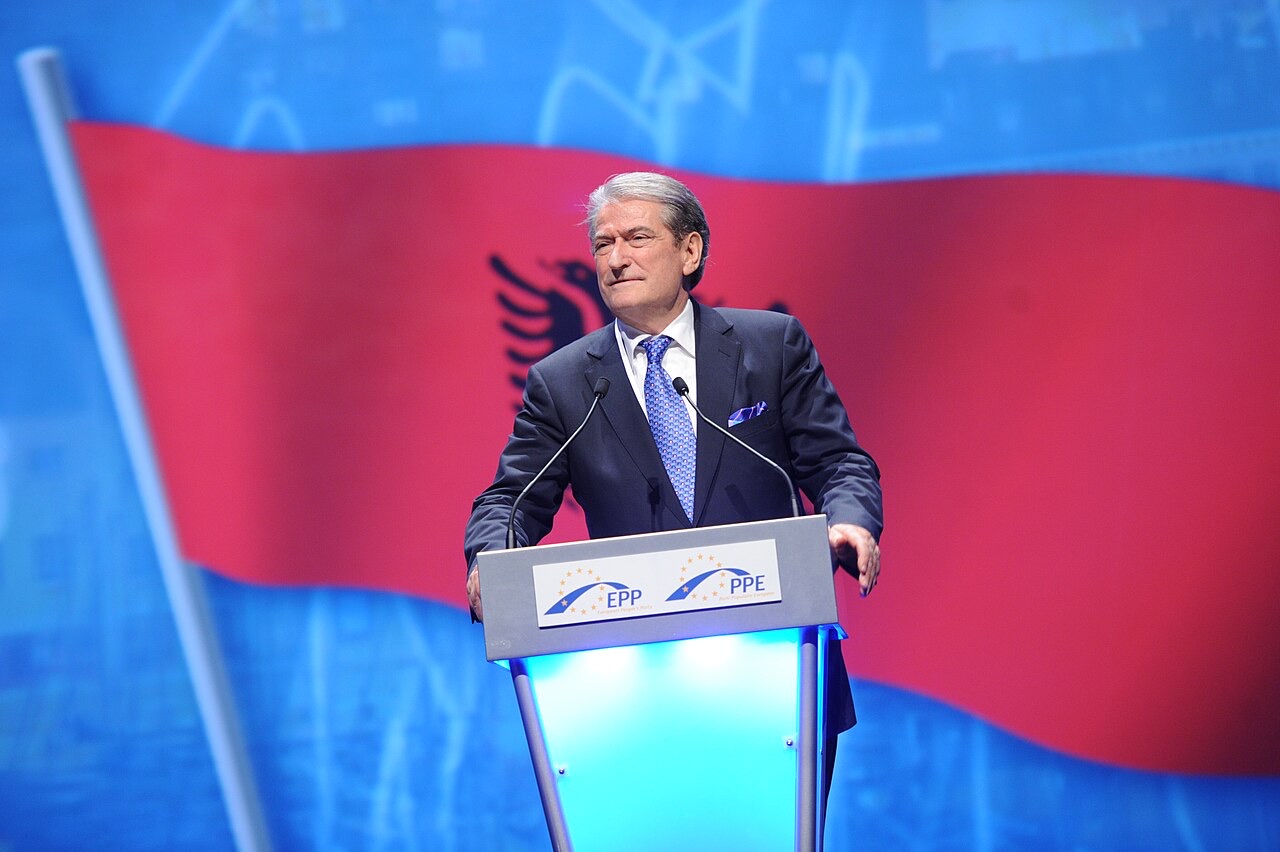
The transition from a command economy to a market system produced severe economic disruption. Albania entered the 1990s as one of Europe's poorest and most isolated countries, having operated for decades under a constitutional prohibition on foreign loans, credits, and joint ventures with outside partners. The collapse of state enterprises and collective farms removed the institutional structures that had provided employment and basic services.
The resulting instability drove a large Albanian diaspora outward, primarily to Italy, Greece, Switzerland, Germany, and North America during the 1990s. This emigration wave was one of the most significant population movements in the country's modern history. The economic and social crisis reached its acute peak in the Albanian Turmoil of 1997.
The crisis of 1997 represented the most severe breakdown of public order during the transition period. The article identifies it as the peak of the unstable economic situation that had developed through the 1990s, though it does not detail the specific mechanisms—such as the collapse of pyramid investment schemes—within the text supplied.
The turmoil demonstrated that the political and economic stabilisation achieved in the early transition years remained fragile. Recovery from the crisis set the conditions for the gradual improvement of economic and political circumstances that characterised the early 2000s.
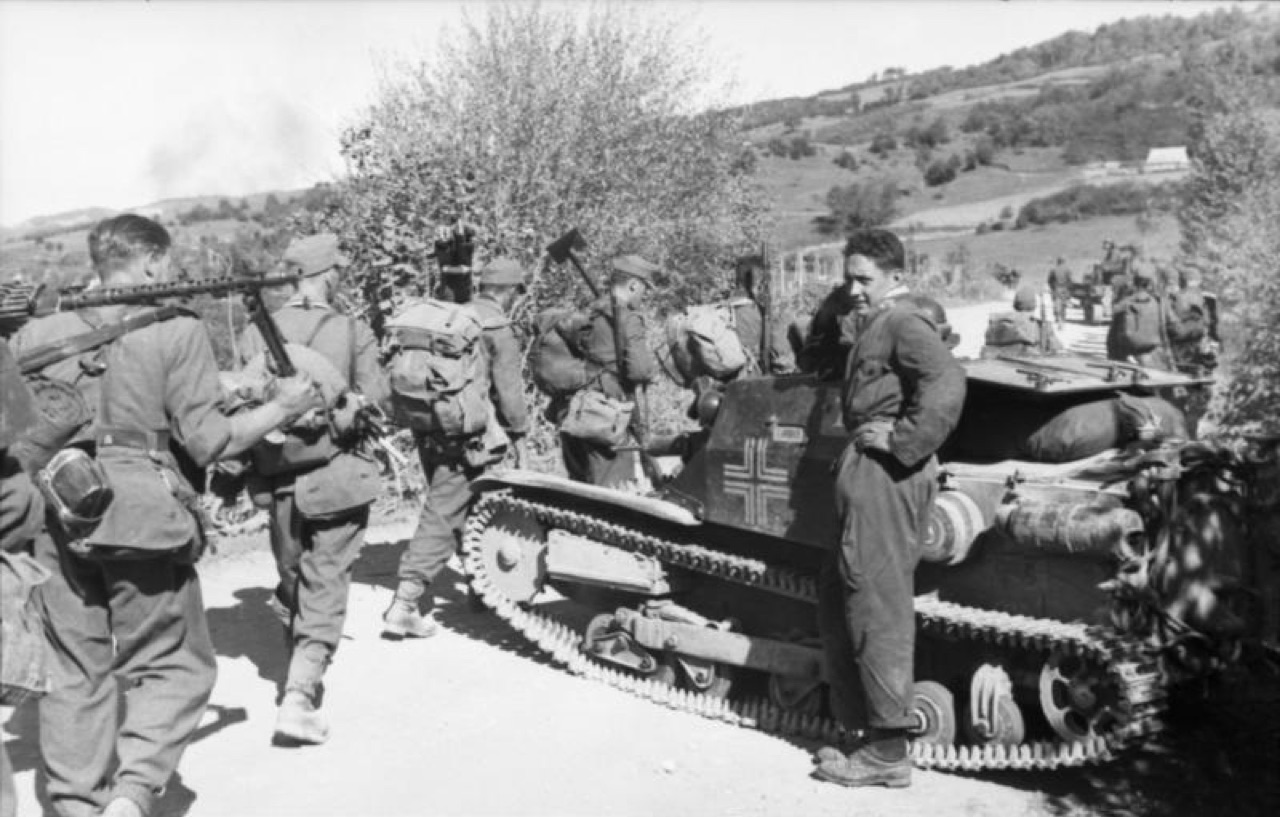
An improvement in economic and political conditions in the early years of the twenty-first century enabled Albania to pursue membership in the North Atlantic Treaty Organisation. Albania became a full member of NATO in 2009. The article presents this as a direct consequence of the stabilisation that followed the turbulent 1990s.
Albania has also applied to join the European Union, though the article records this as an ongoing application rather than a completed accession. No date for potential EU membership is given in the source text.
The state that Alia inherited in 1985 had been shaped by four decades of Hoxha's rule. The People's Socialist Republic had pursued a policy of radical autarky enshrined in the 1976 constitution, which prohibited the government from seeking financial aid or credits or from forming joint companies with capitalist or what it termed revisionist communist partners. This isolation severely limited the economic base available to reformers.
The communist regime had imprisoned or executed large numbers of political opponents. According to the Albanian Association of Former Political Prisoners, 6,000 people were executed by the Stalinist regime between 1945 and 1991. A total of 43,000 people were imprisoned or executed across the forty-five years of the regime. Thousands of family members of condemned individuals were sent to work camps and later exiled to state farms on reclaimed marshlands.
In 1967, the authorities had conducted a violent campaign to abolish religious practice, closing or converting all churches, mosques, monasteries, and other religious institutions into warehouses, gymnasiums, and workshops by the end of that year. The state that emerged from communism in 1990–1992 therefore lacked functioning religious institutions, an independent civil society, a market economy, and experience of competitive elections.
Ramiz Alia had been selected by Hoxha as his successor in 1980, when Hoxha passed over his long-standing comrade Mehmet Shehu. Alia had previously played a prominent role in Albanian communist ideology, serving as a candidate-member of the Politburo and as Hoxha's adviser on ideological questions during the period of the Sino-Albanian dispute. He assumed day-to-day responsibility for Albania's administration when Hoxha went into semi-retirement in early 1983.
As the Eastern Bloc collapsed in the later 1980s, Alia introduced limited liberalisation, including granting citizens the freedom to travel abroad in 1990. He signed the Helsinki Agreement and allowed pluralism under pressure. The Socialist Party he led won the elections of March 1991, making him the country's first post-Hoxha elected leader. He oversaw the disintegration of the Hoxhaist state before the Democratic Party's victory in March 1992 ended his party's hold on government.
The period immediately following the formal end of communist rule was characterised by rapid governmental turnover and institutional fragility, a pattern that had also marked earlier phases of Albanian political history. The Socialist Party's 1991 election victory proved unsustainable; a general strike and urban opposition produced a coalition cabinet that included non-communists, but that arrangement also proved short-lived.
A committee of national salvation succeeded the coalition but itself collapsed within approximately half a year. Only the Democratic Party's decisive win in the March 1992 parliamentary elections established a more durable governmental authority, though economic conditions remained precarious throughout the decade. The instability of this period reflected both the absence of democratic institutions and the economic dislocation produced by the collapse of the command economy.
Albania's transition took place within the broader collapse of the Eastern Bloc and was shaped by that international context. The country had spent the communist period in progressive isolation: following the Soviet-Albanian split after 1956, then the Sino-Albanian split after China cut off aid in 1978, Albania had operated without significant external partners or financial support. The constitutional prohibition on foreign loans had reinforced this isolation.
The transition period required Albania to rebuild relationships with Western states and international institutions from a position of near-total diplomatic and economic isolation. The country's application for EU membership and its eventual NATO accession in 2009 represent the long-term trajectory of this reorientation, though both processes extended well beyond the immediate transition years of 1990–1992.
The article describes the period following the 1997 crisis as one of amelioration in economic and political conditions. This stabilisation, occurring in the early years of the twenty-first century, was the direct precondition for Albania's NATO accession in 2009. The transition era thus encompasses roughly two decades from the collapse of communist rule in 1990 to the achievement of full NATO membership.
The ratification of the permanent constitution on 28 November 1998 provided a legal foundation for the democratic system. The combination of constitutional stability, gradual economic improvement, and integration into Western security structures marked the conclusion of the acute transition phase, though Albania's application to join the European Union remained ongoing at the time the source article was written.
以下均为本 Atlas 中真实存在的关联关系——与本地点邻近的地点,以及本条目实际所属的主题类别。本栏目不包含任何通用推荐内容。
NATO membership in 2009, EU candidate status in 2014, and tourism growing into a central industry.
Forty-six years under Enver Hoxha and his successor: total collectivisation, the banning of religion, successive…
More Albanians may live outside the country than in it — chiefly in Italy, Greece, Germany, Switzerland, the UK and…
上文标注"深度解析"的章节,系本 Atlas 依据以下来源文章全文阅读后撰写而成 (90,000 字符). 以上内容为基于该文献的 AI 辅助研究成果,并已与本页精选事实核对。如涉及重要事项,请务必核对原始来源。
本页内容有误? 欢迎提交更正意见,所有意见均会与原始记录核对。请告知错误所在,如能提供正确数据的出处,请一并注明。