都市
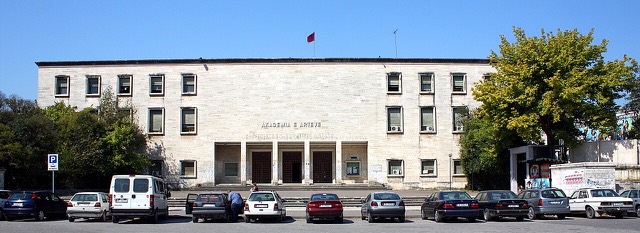
Tirana
The capital: a fast-changing city of painted blocks, Ottoman survivals and new towers, under Mount Dajti.
🧭 ガイドビュー
アルバニアを初めて知る方へ。各ページは、詳細に入る前に、10歳の子どもにも読み聞かせられる平易な説明から始まります。
⚡ エキスパートビュー
基本知識はすでにお持ちの方向け。平易な説明を非表示にし、内容を直接表示します。これがデフォルトです。
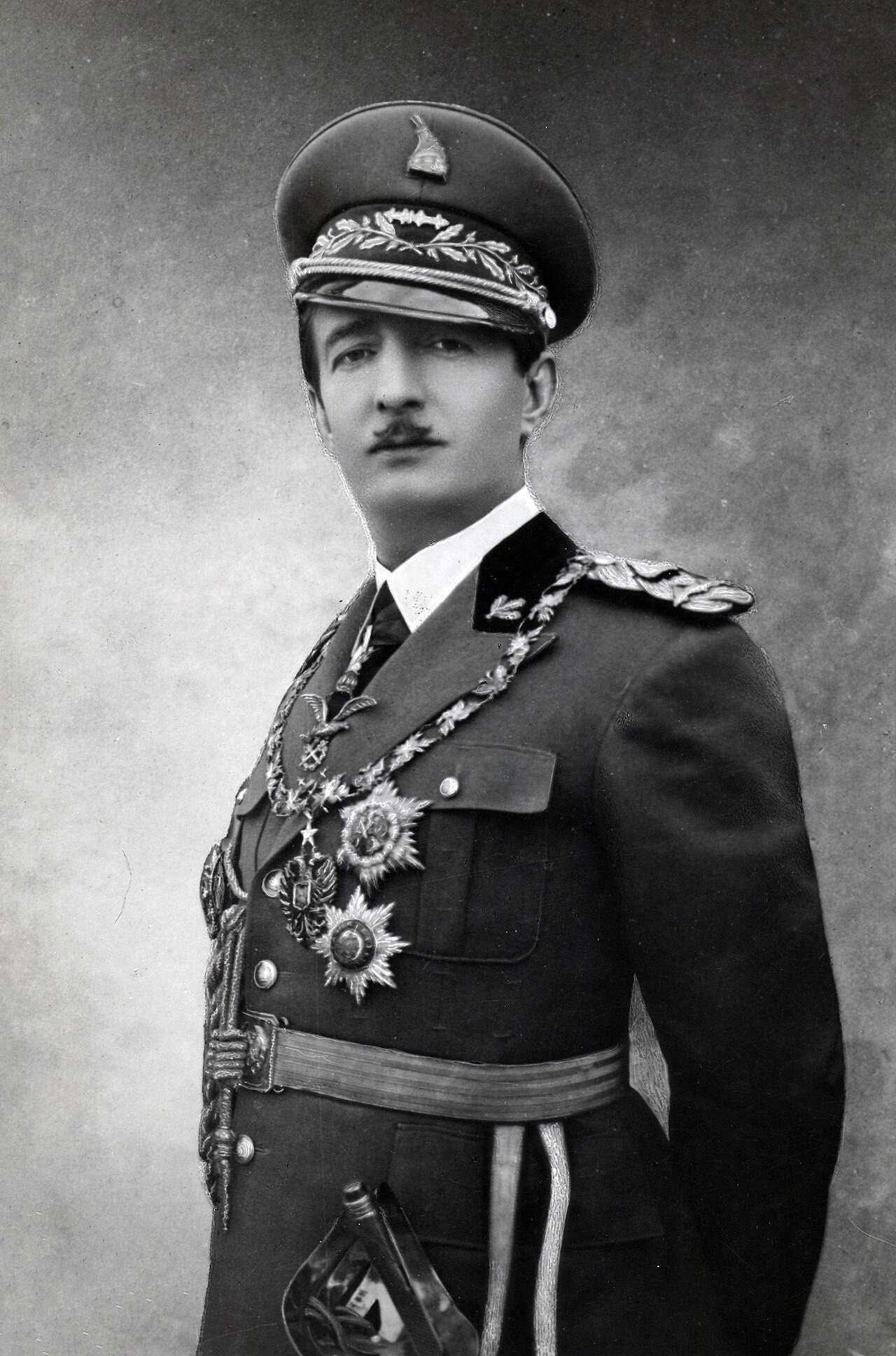
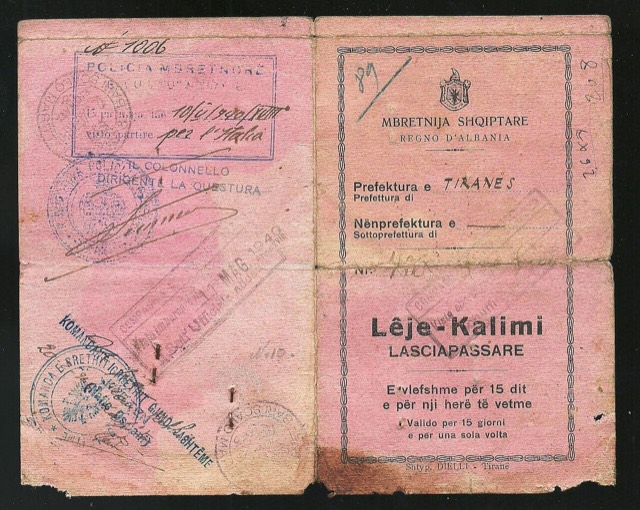
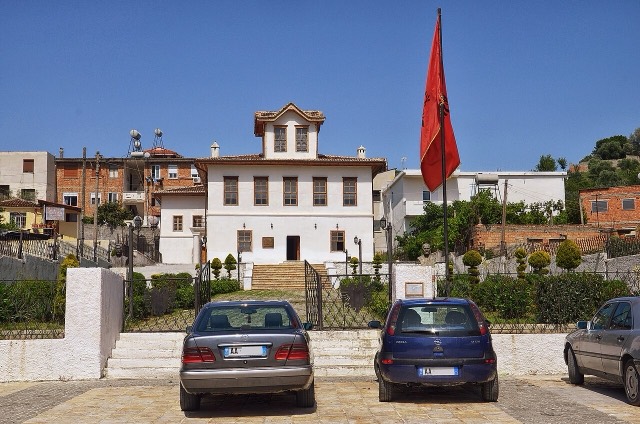
After the First World War, Albania nearly disappeared, but the Congress of Lushnjë in 1920 saved it and made Tirana the capital. Ahmet Zogu became first prime minister, then president, then in 1928 King Zog I. Italy paid for much of the country's building work and gained more and more influence.
After the First World War, Albania nearly disappeared, but the Congress of Lushnjë in 1920 saved it and made Tirana the capital. Ahmet Zogu became first prime minister, then president, then in 1928 King Zog I. Italy paid for much of the country's building work and gained more and more influence.
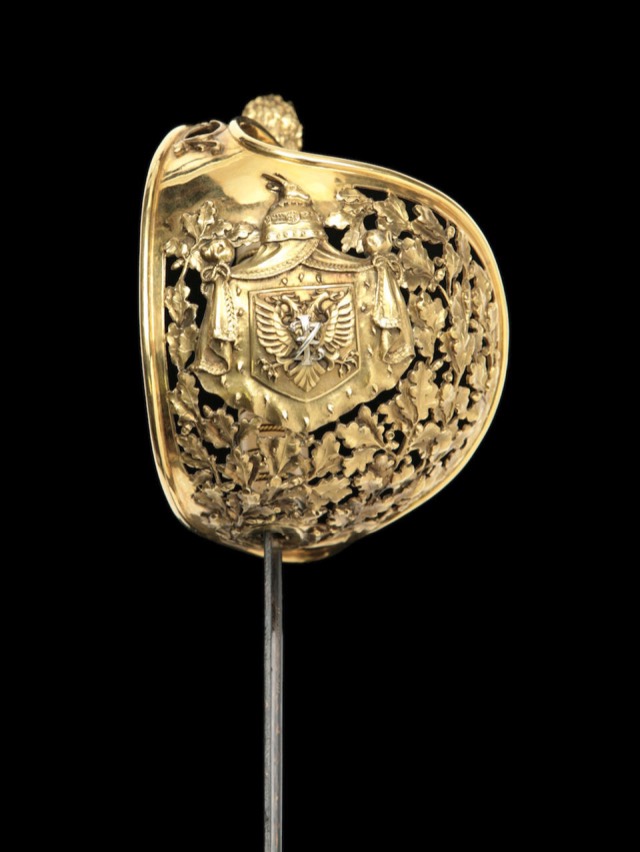
In 1928, Ahmet Bej Zogu, who had already established authoritarian control over Albania as its president, secured parliament's consent to its own dissolution. A new constituent assembly amended the constitution, transforming Albania from a republic into a kingdom and Zogu into Zog I, styled 'King of the Albanians'. International recognition followed promptly. The new constitution abolished the Albanian Senate and replaced the bicameral legislature with a unicameral Assembly.
Although the arrangement was nominally a constitutional monarchy, Zog retained in practice the dictatorial powers he had held as president. Civil liberties remained largely nonexistent, and political opponents were frequently imprisoned or killed. The kingdom functioned, in effect, as a military dictatorship dressed in monarchical form. The transition did, however, accompany a set of significant legal changes: in 1928 a Basic Statute and a Civil Code were adopted, agrarian reform was instituted removing the ferexhesë, and Islamic law was replaced by the Swiss Civil Code, following the model Mustafa Kemal Atatürk had applied in Turkey.
Shortly after his swearing-in as monarch, Zog broke off his engagement to the daughter of Shefqet Vërlaci. Vërlaci withdrew his support and began plotting against the king. Zog had accumulated numerous enemies over the years, and the Albanian tradition of blood vengeance obliged those enemies to attempt to kill him. He responded by surrounding himself with guards and rarely appearing in public.
The king's loyalists disarmed all of Albania's tribes except his own Mati tribesmen and their allies, the Dibra. Despite these precautions, on a visit to Vienna in 1931, Zog and his bodyguards fought a gun battle with would-be assassins on the steps of the Opera House. The incident illustrated both the persistence of his opponents and the personal danger that defined his reign.
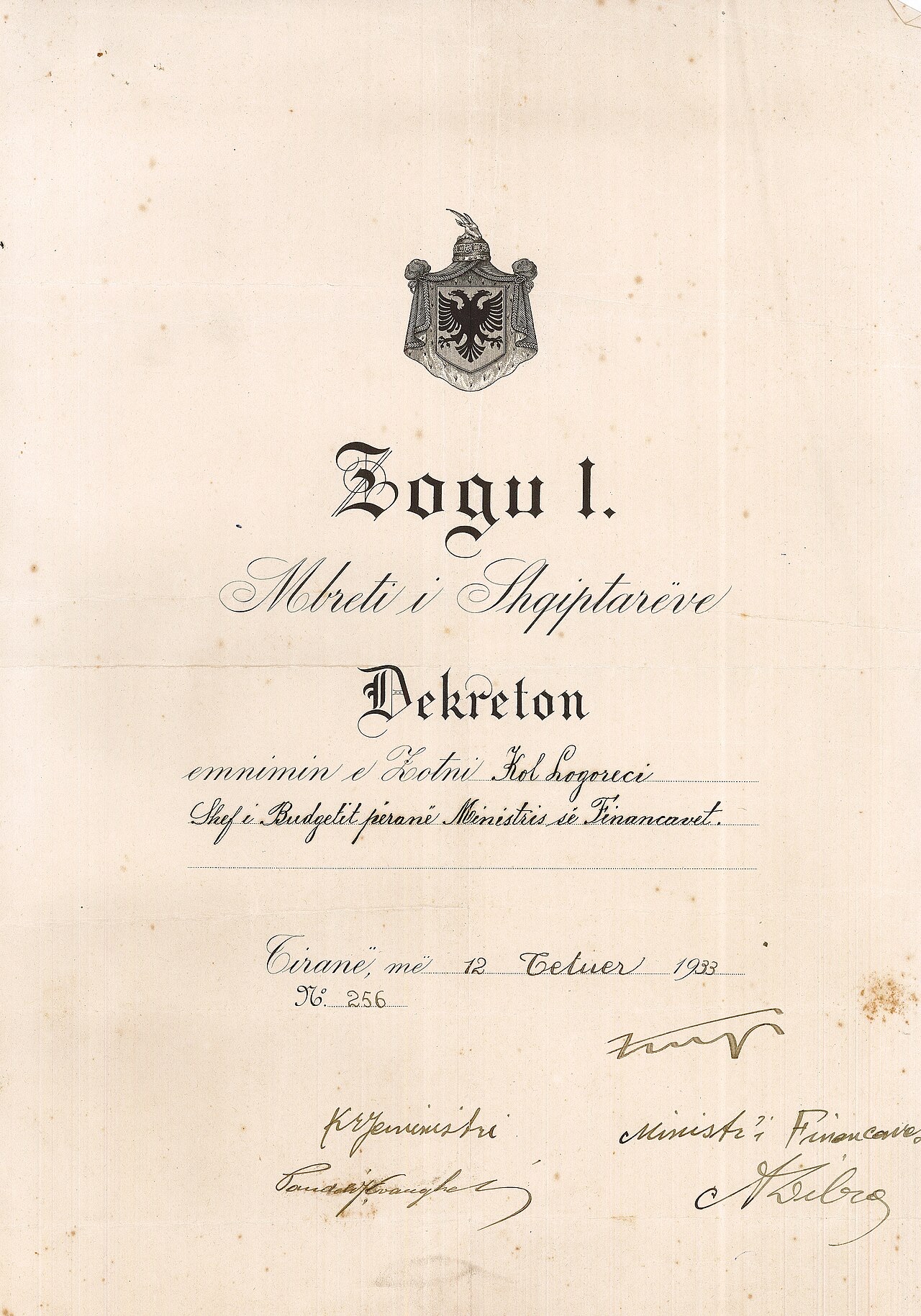
The Kingdom of Albania maintained close relations with Fascist Italy, which provided financial and military support. The Royal Albanian Army, though maintained at a strength of 15,600 personnel, consumed substantial state funds, and Italy's monopoly on training the armed forces generated significant public resentment. As a counterweight, Zog kept British officers in the Royal Albanian Gendarmerie despite strong Italian pressure to remove them. In 1931, he refused to renew the 1926 First Treaty of Tirana, an open act of defiance toward Rome.
The confrontation intensified between 1932 and 1933, when Albania could not meet interest payments on its loans from the Society for the Economic Development of Albania. Rome responded with a series of demands: that Italians be placed in charge of the Gendarmerie, that Albania join a customs union with Italy, that Italy receive control of Albania's sugar, telegraph, and electrical monopolies, that Italian be taught in all Albanian schools, and that Italian colonists be admitted. Zog refused all of these. He cut the national budget by 30 percent, dismissed the Italian military advisers, and nationalised Italian-run Catholic schools in the north of the country.
By June 1934, Albania had signed trade agreements with Yugoslavia and Greece. Mussolini suspended all payments to Tirana and sent Regia Marina warships to intimidate the Albanians, but Albania permitted the forces to land only unarmed, neutralising the threat. Mussolini then shifted to inducement: in 1935 he presented the Albanian government with 3 million gold francs as a gift. Relations were subsequently improved in 1936 under a government led by Mehdi Frashëri, a Bektashi administrator, which secured Italian commitments to fulfill earlier financial promises and to grant new loans for harbour improvements at Durrës. Italian civilians then began taking positions in Albania's civil service, and Italian settlers were permitted into the country.
Albania during the Zog years was an overwhelmingly agrarian country with virtually no industry. Approximately 90 percent of the peasantry practiced subsistence agriculture using ancient methods, including wooden plows. Oil was the country's principal extractable resource. A pipeline connected the Kuçovë oil field to the port of Vlorë, expediting shipments of crude petroleum to Italian refineries. Albania also possessed bitumen, lignite, iron, chromite, copper, bauxite, manganese, and some gold. Industrial facilities were sparse: Shkodër had a cement factory, Korçë a brewery, and Durrës and Shkodër cigarette factories using locally grown tobacco.
Albanian exports grew from 2 million gold francs to 12 million between 1923 and 1931, then fell back to 1923 levels within two years as the global economic crisis took hold. The crisis peaked between 1934 and 1935, paralyzing or bankrupting most industries and severely affecting credit systems. In 1934, grain prices reached their lowest level, at approximately 7.5 gold francs. The livestock industry, which accounted for 70 percent of total national exports, was particularly hard hit. Between 1935 and 1936 the government was forced to distribute emergency food aid in poor areas. In mid-1935, a recovery phase began; Zog introduced tax incentives, including a three-year tax exemption for cement factories.
By 1938, the number of industrial enterprises had reached 244, and the number of state administration employees had risen to 7,435. Trade for the period 1936–1938 amounted to 32.7 million gold francs, representing 65 percent growth over the preceding period; exports grew by 61.5 percent and imports by 67.3 percent. Even so, in 1939 the value of Albania's imports was four times that of its exports. About 70 percent of Albanian exports went to Italy, and Italian factories supplied roughly 40 percent of Albanian imports, with the Italian government paying for the remainder. The Italians took over the oil-drilling concessions of all other foreign companies in 1939 through a company called Sveja.
A substantial road-building programme was undertaken during the kingdom, financed by loans of 60 million gold francs from the Kingdom of Italy. Between 1929 and 1939, 850 km of main roads, 456 km of secondary roads, 4,062 small bridges, and 76 major bridges were constructed. Engineers from Europe were employed for these projects. On 28 November 1938, Radio Tirana began broadcasting. Construction of the port of Durrës was initiated, though work on irrigation canals and related infrastructure was interrupted by the outbreak of World War II.
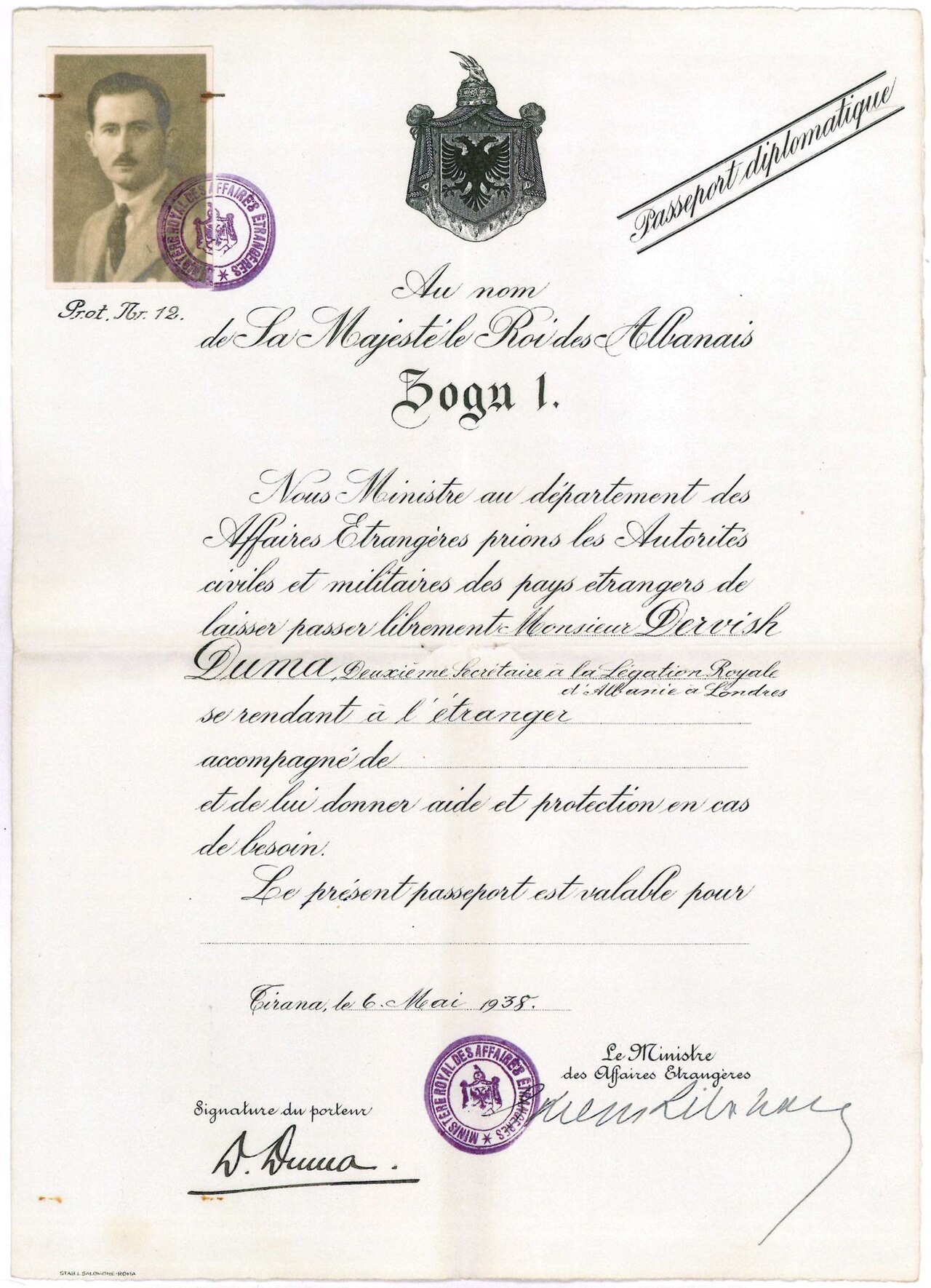
The Royal Albanian Army served as the military force of the Kingdom of Albania from 1928 until the Italian invasion of 1939. Commander-in-chief was King Zog himself. The operational commander was General Xhemal Aranitasi, and the chief of staff was General Gustav von Myrdacz. The army maintained 15,600 deployed personnel and 29,860 in reserve.
The army was financed primarily by Italy during the period between 1936 and 1939. Italy's monopoly over the training of Albanian armed forces was a persistent source of public resentment, and Zog's decision to dismiss the Italian military advisers in the early 1930s was one of several measures he took to limit Italian dominance over Albanian institutions, though the financial dependency ultimately proved impossible to overcome.
Under the Organic Law of Education of June 1928, Albanian schooling was divided into primary and secondary levels. Primary education was compulsory and free for males and females between the ages of 6 and 13, running over a five-year course. Subjects included moral and civic knowledge, language, arithmetic, Albanian history, geography, natural sciences, drawing, music, manual work, home economics, gymnastics, and practical agriculture. Exemptions from compulsory attendance applied to children educated at home, those with contagious diseases, and the blind, mute, and deaf, who were required instead to attend special schools.
Secondary education encompassed gymnasiums, lyceums, normal schools, commercial institutes, city schools, and technical institutes. In gymnasiums and lyceums, all subjects were taught in French. Course lengths varied: eight years in the full gymnasium, nine years in the lyceum (including one preparatory year), four years each in the commercial institute, city schools, and technical institute. The grading system used a scale of 1 (very good) to 6 (very bad), except at the Lyceum of Korçë, where 10 was the highest grade, 5 a pass, and 0 the lowest.
By 1939, Albania had 643 primary schools and 18 high schools. The most significant secondary institutions were the Pedagogical School of Elbasan, the Lyceum of Korçë, the Shkodër Gymnasium, and the Trade School of Vlorë. Total enrollment in these schools stood at 5,700 pupils. Despite the expansion in the number of schools, in 1938 only 36 percent of Albanian children of school age were receiving any form of education, and in 1939 roughly 80 percent of the adult population remained illiterate. Some 420 Albanians were studying abroad in 1939. Among the literate population, 446 individuals held a university degree and 1,773 had completed secondary schooling.
Albania during the kingdom years remained substantially behind other Balkan countries by measures of social development. Only about 13 percent of the population lived in towns. Life expectancy for men was approximately 38 years. Albania had Europe's highest birthrate and infant mortality rate. The country lacked a railroad, a modern port, a banking system, a university, and a modern printing press. Much of the richest farmland lay waterlogged in malaria-infested coastal marshlands.
The American Red Cross opened schools and hospitals at Durrës and Tirana. One Red Cross worker founded an Albanian chapter of the Boy Scouts, membership in which was subsequently made compulsory by law for all boys between twelve and eighteen. Despite the opening of hundreds of schools and 600 night schools intended to combat illiteracy, educational access remained severely limited through the end of the period.
Literature flourished in the interwar years despite meager resources. Writers who were active during this period included Fan Stilian Noli, Alexander Drenova, Esad Mekuli, Ndre Mjeda, Haki Stermilli, Lasgush Poradeci, Faik Konica, Sterjo Spasse, Ndoc Nikaj, Foqion Postoli, and Migjeni. The Franciscan priest and poet Gjergj Fishta was a dominant figure on the literary scene. Daily newspapers including Demokracia, Liria Kombëtare, Besa, Hylli i Dritës, and Leka were published, alongside pedagogical and scientific journals. In 1936, Albanian workers at the Kuçovë oil field held a strike organised by Puna, and in February 1936 workers and craftsmen in Korçë staged a demonstration known as the 'Hunger Strike'.
Under the monarchy, religious institutions were placed under state control. The 1930 religious census — the first official census of this kind — recorded the population as approximately 50 percent Sunni Muslim, 20 percent Orthodox Christian, 20 percent Bektashi Muslim, and 10 percent Catholic Christian, though this data reiterated Ottoman figures from roughly a century earlier that had covered a larger territory and population. In 1929 the Albanian Orthodox Church was declared autocephalous.
The monarchy pursued a deliberate policy of subordinating religious identity to national identity. Official slogans promoted this agenda explicitly: 'Religion separates, patriotism unites' and 'Our religion is Albanism' appeared widely. The national hymn designated King Zogu as 'Shpëtimtari i Atdheut' (Savior of the Fatherland) rather than invoking any religious figure. Newspaper editorials discouraged the adoption of Muslim and Christian names in favour of neutral Albanian ones. The state maintained formal neutrality, with no official religion and in principle equal treatment of all faiths, but in practice clergy of all denominations were expected to preach Albanian nationalism. The first reading lesson in elementary schools opened with the sentence 'I am an Albanian. My country is Albania.'
As Germany moved against Czechoslovakia in early 1939, Italy grew concerned about its standing within the Axis. The imminent birth of an heir threatened to give Zog a lasting dynasty. After Hitler occupied Czechoslovakia on 15 March 1939 without notifying Mussolini in advance, the Italian dictator decided to proceed with his own annexation of Albania. Italy's King Victor Emmanuel III criticised the plan as an unnecessary risk.
Rome delivered an ultimatum to Tirana on 25 March 1939, demanding that Albania accede to Italian occupation. Zog refused to accept money in exchange for endorsing a full Italian takeover and colonisation of the country. On 7 April 1939, Mussolini's forces invaded. Despite some resistance, particularly at Durrës, Albanian forces were quickly overwhelmed. King Zog, his wife Queen Geraldine Apponyi, and their infant son Leka fled to Greece and eventually to London.
On 12 April 1939, the Albanian parliament voted to unite the country with Italy. Victor Emmanuel III assumed the Albanian crown, and the Italians established a fascist government under Shefqet Verlaci, absorbing Albania's military and diplomatic services into Italy's. Italy subsequently used Albania as a base from which to launch its invasion of Greece on 28 October 1940. The Greek military halted and then reversed the Italian advance, pushing into southern Albania. Italy's spring offensive in March 1941 failed to dislodge the Greeks, who held Albanian territory between Himarë and Pogradec until Germany and its allies invaded and occupied Greece and Yugoslavia in April 1941, ending the Greek presence in Albania.
The Italian occupation of 1939 ended the Albanian Kingdom as a functioning state, though Zog continued to claim legitimacy as King of the Albanians throughout the war and beyond. The communist partisans who emerged during World War II, backed by Yugoslavia and the Soviet Union, suppressed Albanian nationalist movements and by the war's end had installed a Stalinist regime. This regime lasted approximately 46 years.
The communist government banned Zog from returning to Albania. He lived in exile for the remainder of his life, never recovering the throne. The Party of Labor of Albania formally deposed him and established a communist republic, bringing to a definitive close the monarchical experiment that had begun with the parliamentary declaration of 1928.
30年平均値: The Zog Years, 1994〜2023年の日次ERA5再解析データからこのアトラス用に算出。これらは長期平均値であり、予測ではありません。個々の年は大幅に異なる場合があります。
最も暖かい月は August (日中の平均最高気温 31°C), 最も寒い月は January (夜間の平均最低気温 1°C), 最も雨が多い月は December (124 mm). 年間総降水量の平均は 1,013 mm.
| 月 | 最高気温 | 最低気温 | 降水量 | 降水日数 | 日照時間/日 |
|---|---|---|---|---|---|
| January | 11°C | 1°C | 104 mm | 11 | 7.1 h |
| February | 12°C | 2°C | 90 mm | 10 | 8.1 h |
| March | 15°C | 4°C | 104 mm | 11 | 9.5 h |
| April | 19°C | 7°C | 100 mm | 13 | 10.6 h |
| May | 24°C | 12°C | 83 mm | 12 | 11.9 h |
| June | 28°C | 16°C | 51 mm | 9 | 13.5 h |
| July | 31°C | 18°C | 33 mm | 6 | 13.7 h |
| August | 31°C | 19°C | 32 mm | 6 | 12.8 h |
| September | 26°C | 15°C | 82 mm | 9 | 10.7 h |
| October | 22°C | 11°C | 92 mm | 9 | 9.2 h |
| November | 17°C | 7°C | 119 mm | 10 | 7.2 h |
| December | 12°C | 3°C | 124 mm | 12 | 6.6 h |
出典: ERA5 reanalysis via Open-Meteo, 1994–2023 · 「最高気温」および「最低気温」は日平均最高・最低気温です。「降水日数」は降水量が1mm以上の日数を計上しています。 JSONで取得
これらはアトラス内の実際の関係性です——この場所に近い地点と、実際に関連する項目です。汎用的な推薦は含まれていません。
The capital: a fast-changing city of painted blocks, Ottoman survivals and new towers, under Mount Dajti.
Italy invaded on 7 April 1939; Albania was annexed under the Italian crown until Italy's surrender.
Ahmet Zogu: prime minister at 27, president at 30, king at 33, and in exile at 43.
The Orthodox bishop who translated Shakespeare into Albanian and led a government for six months.
An agricultural centre on the Myzeqe plain, and the site of the 1920 congress that saved Albanian statehood.
上記の「詳細解説」のセクションは、以下に示す出典記事を全文精読したうえで、このアトラスのために執筆されました (25,349 文字). これらは当該文書に基づくAI支援による調査であり、このページの精選された事実と照合済みです。重要な事項については必ず一次情報源で確認してください。
このページに誤りがありますか? 修正は歓迎しており、原典記録と照合して確認します。何が誤っているか、また可能であれば正しい数値の出典をお知らせください。