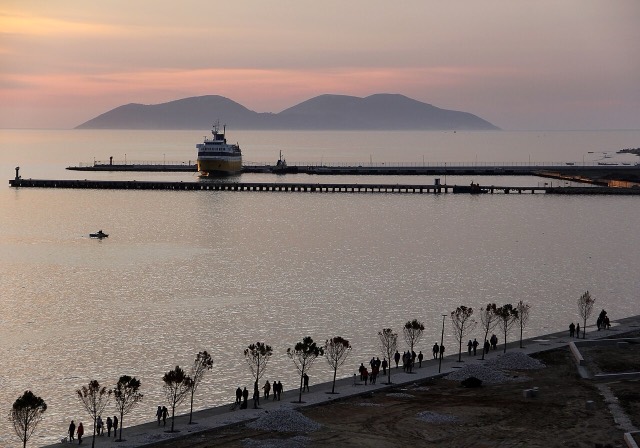
City · Vlorë
Vlorë
Where the Adriatic meets the Ionian, and where Albanian independence was declared in 1912.
Every county, coast and century
Guided view
New to Albania? Every page opens with a plain-language explanation you could read to a ten-year-old, before the detail begins.
Expert view
You already know the basics. Straight to the substance, with the simple explanations hidden. This is the default.
Historical period
Declared at Vlorë on 28 November 1912 as the Ottoman Empire collapsed in the Balkan Wars.
Save
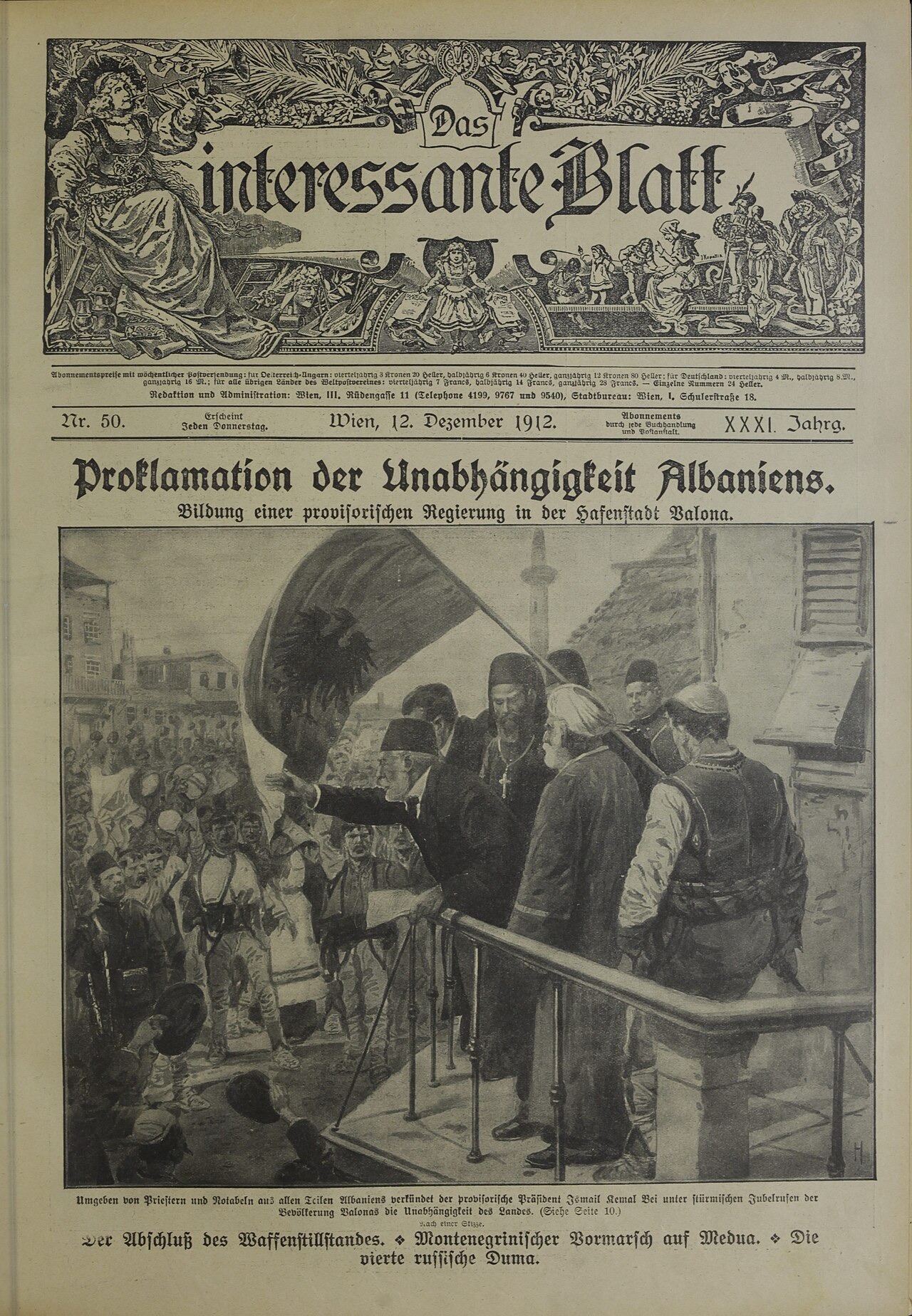
On 28 November 1912, as the Ottoman Empire was losing the Balkan Wars, Ismail Qemali raised the Albanian flag in Vlorë and declared independence. The borders drawn afterwards left about half of the Albanian-speaking population outside the new state.
On 28 November 1912, as the Ottoman Empire was losing the Balkan Wars, Ismail Qemali raised the Albanian flag in Vlorë and declared independence. The borders drawn afterwards left about half of the Albanian-speaking population outside the new state.
By 1912 the Ottoman Empire faced simultaneous military pressure from four allied Balkan states—Serbia, Montenegro, Bulgaria, and Greece—in what became the First Balkan War. The Albanian Revolt of 1912 had already demonstrated to neighbouring states that Ottoman authority in the region was weakening. The four Balkan allies planned to partition the European territory of the Ottoman Empire among themselves, and territory conquered during the war was provisionally assigned the status of a condominium pending final settlement.
The Kingdom of Serbia opposed any plan for a distinct Albanian vilayet, preferring outright partition of Ottoman Europe among the Balkan allies. This threat of partition, combined with the defeat of the Ottoman army, confronted Albanian political leaders with the prospect that their homeland would be divided among foreign powers. It was this situation that gave urgency to Ismail Qemali's decision to convene an all-Albanian congress in Vlorë.
Ismail Kemal Bey, identified in the Assembly's own newspaper account as the prime initiator of the gathering, returned to Albania with Austro-Hungarian support. Before arriving in Vlorë he had travelled to Istanbul and reached an understanding with Albanians based in Bucharest, then proceeded to Vienna, where he sought agreement with Great Powers that held strategic interests in the Balkans.
According to Kemal's own address to the assembly, the Great Powers—particularly Austria-Hungary and Italy—received his argument for Albanian independence favourably. Russia remained, in his characterisation, 'somewhat hostile' on account of Slavic interests, but did not deny the existence of an Albanian people. On that basis Kemal issued a call for delegates from all parts of Albania to assemble in Vlorë.
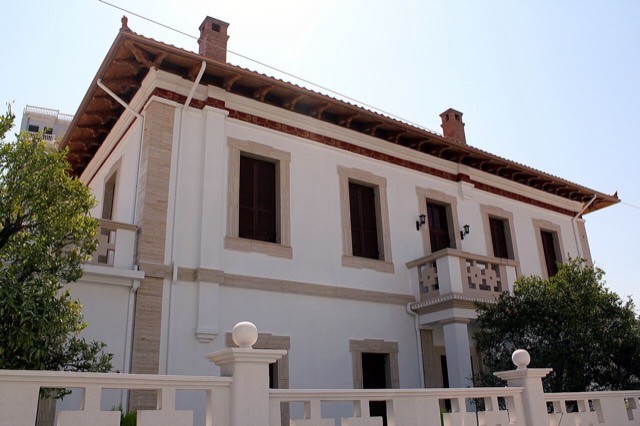
The Assembly of Vlorë (Kuvendi i Vlorës) opened on 28 November 1912 at four in the afternoon at the house of Xhemil Bey. Forty delegates participated in this first session. The newspaper Përlindja of Vlora reported the proceedings in detail, recording that Ismail Kemal Bey addressed the assembly on the 'great perils' facing Albania and the necessity of immediate action.
Kemal's speech argued that Albanians had repeatedly demonstrated loyalty to the Ottoman Empire while the Ottoman government had consistently failed to protect or recompense them. He described how the Balkan states, after initial professions of limited aims, had agreed to divide the empire including Albania, and concluded that separation from the Ottoman state was the only remaining means of preservation. He proposed three immediate measures: that Albania be declared independent under a provisional government; that a council of elders be elected to assist and supervise that government; and that a commission be sent to European capitals to defend Albanian interests.
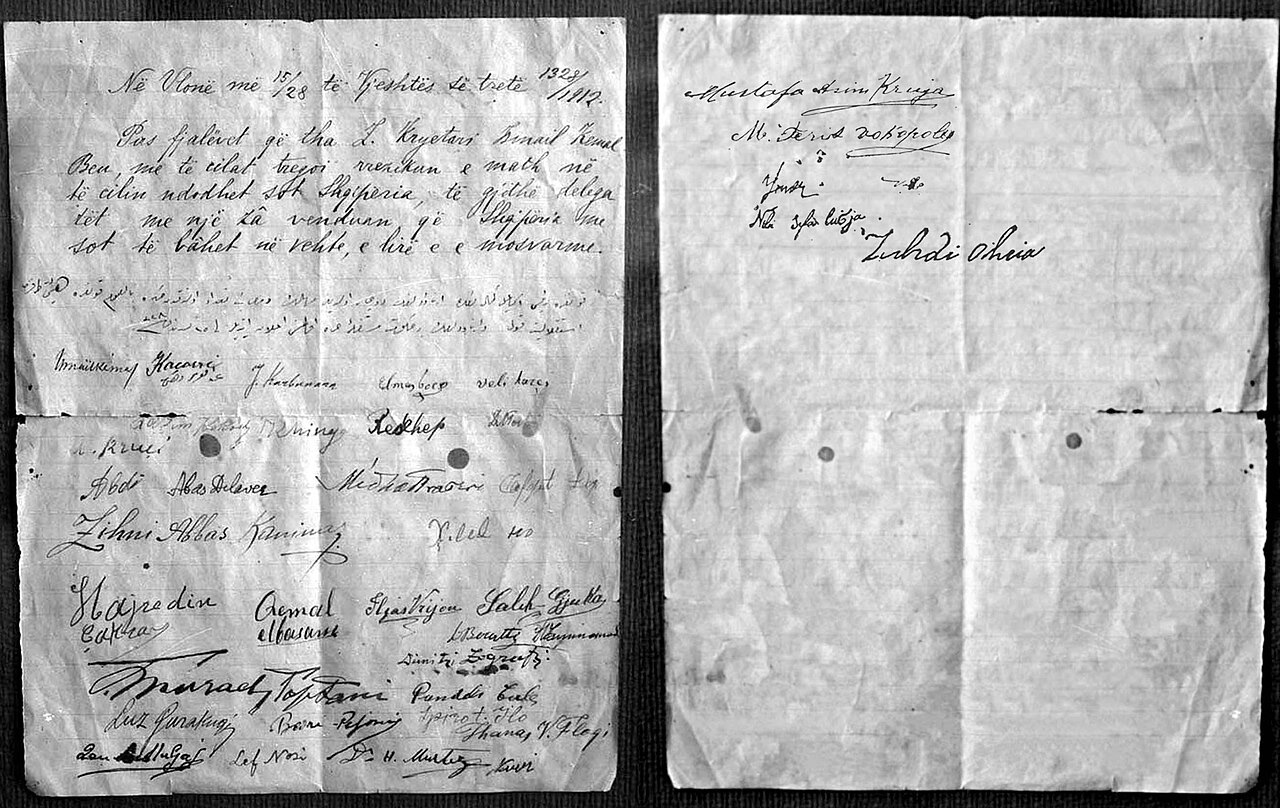
The declaration was composed in Albanian—partially in the Gheg and Tosk dialects—and in Ottoman Turkish. Its operative text, as recorded, was brief: 'After the words spoken by Mr. Chairman Ismail Kemal Bey, in which he told of the great danger Albania is in today, all the delegates with one voice decided that Albania today is to be on its own, free and independent.' The document is dated in Vlorë on the fifteenth of the month by the Julian calendar, corresponding to 28 November 1912 by the Gregorian.
The original act was written on a single piece of letter paper. As published by the newspaper Perlindja e Shqipëniës, there were forty signatories in total: thirty-four recognisable signatures appear on the front page and six more on the back. The same afternoon, at five-thirty, the flag of Albania was raised and greeted by the assembled delegates.
The second session of the Assembly of Vlorë met on 4 December 1912. At this session the members founded the first government of independent Albania, led by Ismail Kemal. The government was paired with a 'Council of Elders' (Pleqësia), whose function was to assist and supervise the government in its duties.
The Assembly also resolved that it would accept whatever decision the Great Powers made regarding Albania's system of government, and that the provisional government would cease to exist once independence was formally recognised and a monarch nominated. On the same day, Kemal waved the national flag of Albania from the balcony of the Assembly building before hundreds of Albanians.
The declaration's practical reach was limited at the moment it was made: Vlorë was the only town in the country actually under the delegates' control. Nevertheless, it was judged effective in filling a vacuum of power, and subsequent international negotiations treated it as the founding act of the Albanian state.
Shortly after the Declaration of Independence, Albanian territory was occupied by the Balkan League member states: Serbia, Montenegro, and Greece. This Occupation of Albania took place during the Balkan Wars of 1912–1913. Austria-Hungary, by contrast, was a significant supporter of Albanian independence, viewing an independent Albania as a means of limiting Serbian access to the Adriatic and blocking Serbian territorial expansion.
The tension between these competing interests—Balkan League occupation on the ground and Great Power diplomatic support for Albanian statehood—defined the period between the declaration in November 1912 and the eventual international settlement in 1913.
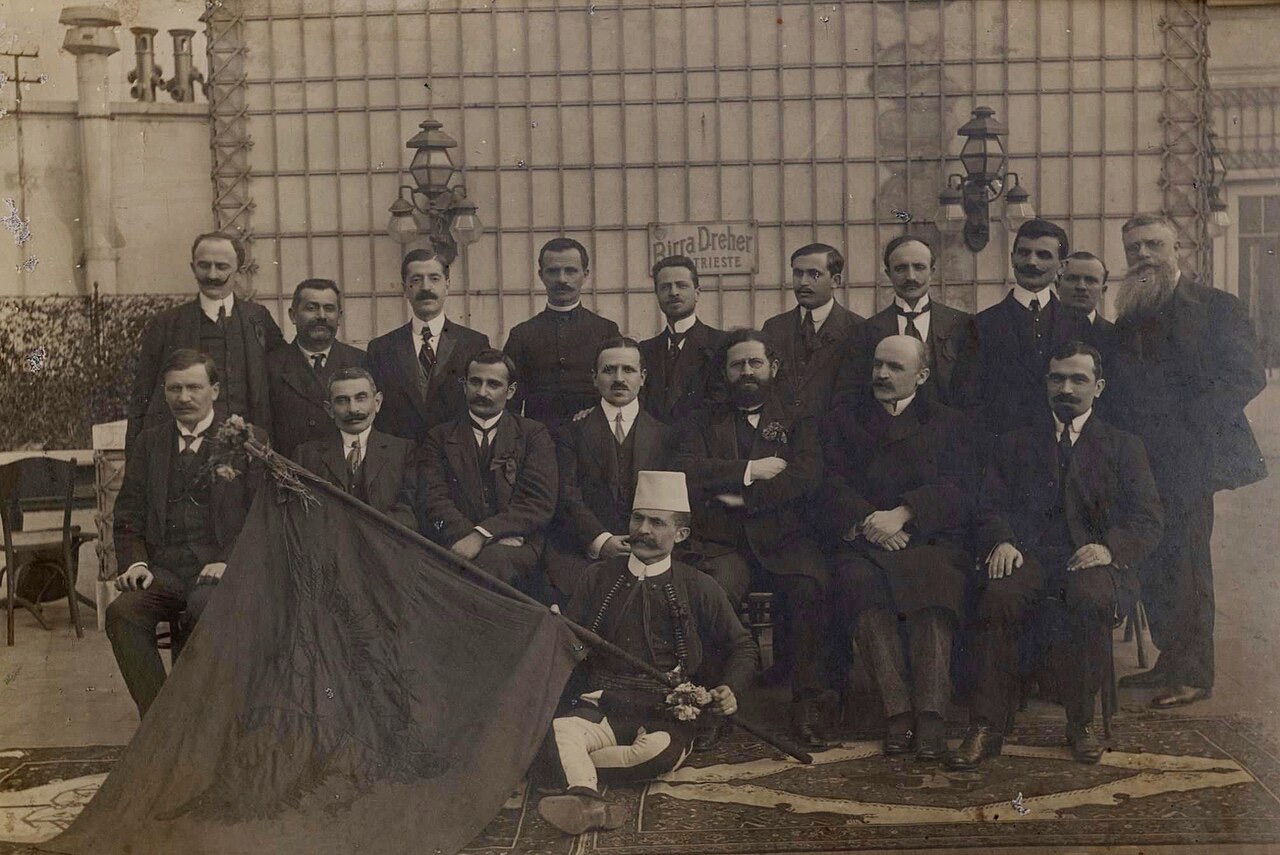
Overseas Albanian communities played a significant role in building diplomatic support for the new state. On 1 March 1913, an Albanian Congress of Trieste was convened in Austria. It brought together 119 representatives from the United States, Romania, Bulgaria, Turkey, Egypt, Italy, and Albania itself. Bishop Fan Noli of Boston was among the featured speakers.
The congress formally recognised the provisional government of Ismail Qemali and pledged its support. It discussed the ethnic boundaries of the new state and sent resolutions to European capitals and to the London Conference of Ambassadors—then in session—appealing for recognition of Albanian independence and for the lifting of a Greek naval blockade.
In December 1912 the Great Powers convened in London to address territorial questions arising from the First Balkan War. The question of Albanian independence came before the Conference of Ambassadors at its first session. Under Article II of the resulting treaty, the six ambassadors agreed that Albania would be recognised as an autonomous state under the sovereignty of the Ottoman sultan—a more limited formulation than full independence.
After months of negotiation, the conference announced its formal decisions on 17 May 1913. Following the end of the Second Balkan War and the resolution of the specific dispute over Shkodra, the ambassadors went further: on 29 July 1913, they recognised the total independence and sovereignty of Albania. They stipulated that Albania be governed by a European prince elected by the powers, and that Albanian neutrality be jointly guaranteed by all six Great Powers.
The conference also appointed an International Commission of Control for Albania, comprising one representative from each of the six powers and one Albanian, to supervise the Albanian government's organisation, finances, and administration for a ten-year period. Dutch officers were designated to organise the Albanian gendarmerie. De facto recognition had been extended earlier, on 17 December 1912, at the London Conference.
While forty delegates signed the declaration on 28 November 1912, the Assembly of Vlorë registered a total of seventy-nine delegates by region across its proceedings. The article records this as the complete count of registered participants, drawn from across Albanian-inhabited territories.
The breadth of regional representation was central to the assembly's political legitimacy: the newspaper account emphasised that delegates had been 'sent from all parts of Albania,' and Kemal himself expressed satisfaction that his call had produced representatives from across the country, not merely from the south where Vlorë was located.
The building in Vlorë where independence was proclaimed is depicted on the reverses of two Albanian banknote denominations. The facade appears on the 200 lekë banknote issued between 1992 and 1996, and on the 500 lekë banknote issued from 1996 onward.
City · Vlorë
Where the Adriatic meets the Ionian, and where Albanian independence was declared in 1912.
Historical period
The Rilindja: the League of Prizren, the fight for an alphabet, and the first Albanian-language school.
Subject
More Albanians may live outside the country than in it — chiefly in Italy, Greece, Germany, Switzerland, the UK and the US.
Subject
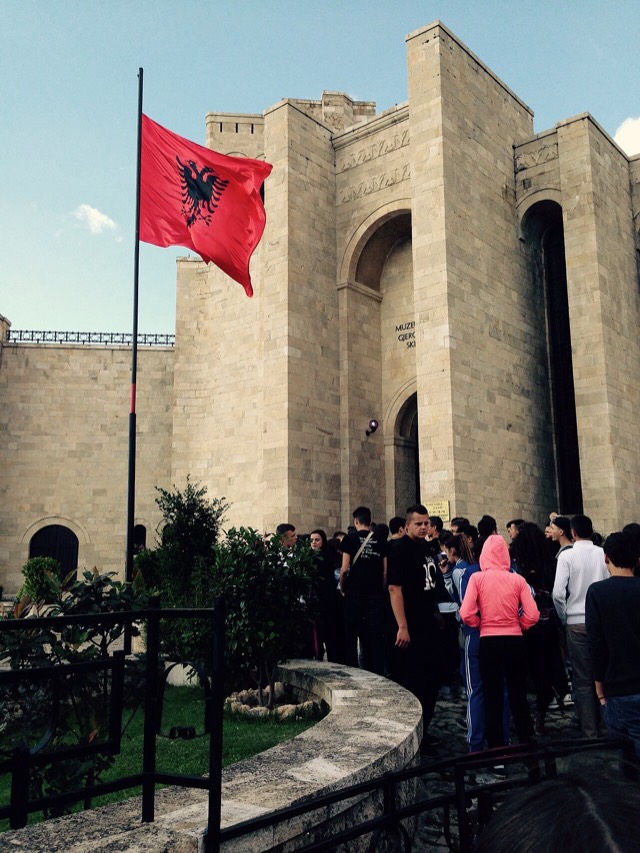
A black double-headed eagle on red — Skanderbeg's standard, and one of the oldest continuously used national symbols in Europe.
Person
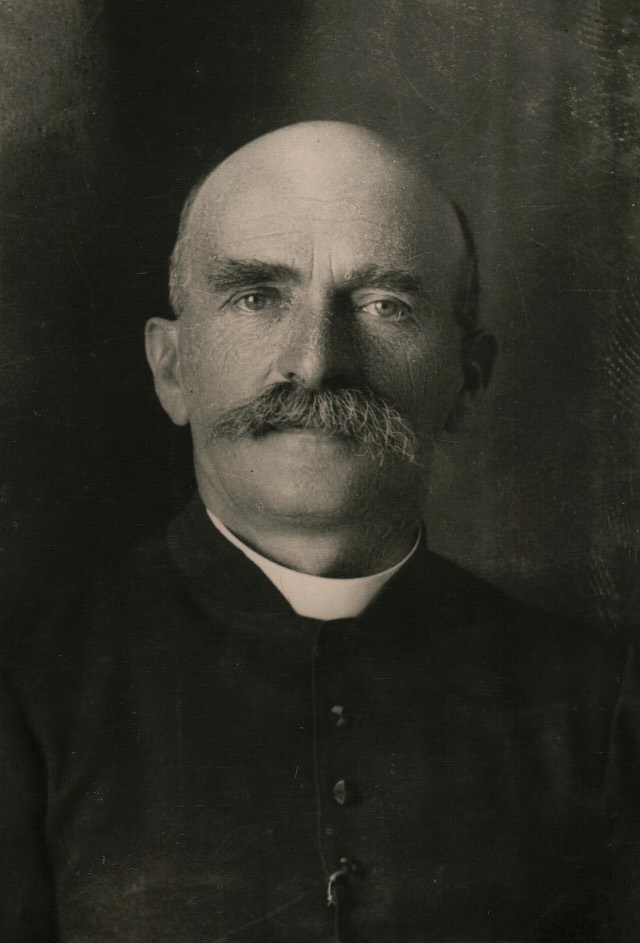
The Ottoman statesman who raised the flag at Vlorë and led Albania's first provisional government.
Something wrong on this page? Corrections are welcome and are checked against the source record. Tell us what is wrong and, if you can, where the right figure comes from.