समुद्र तट · Vlorë
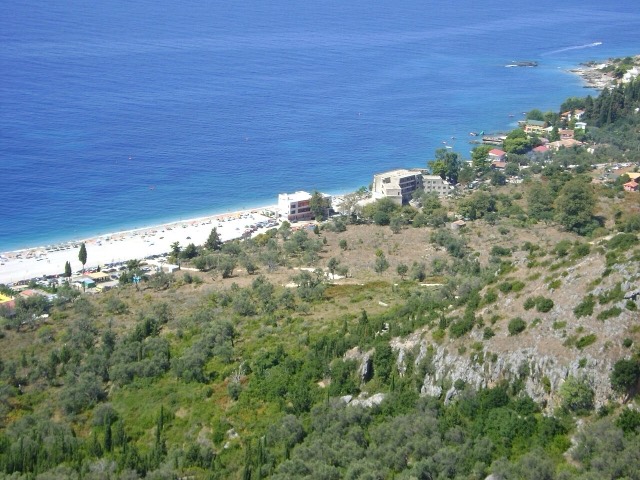
Gjipe Beach
A pebble beach at the mouth of a limestone canyon, reachable only on foot or by boat.
हर काउंटी, हर तट, हर सदी
निर्देशित दृश्य
Albania में नए हैं? हर पृष्ठ एक सरल-भाषा स्पष्टीकरण के साथ खुलता है जिसे आप किसी दस वर्षीय बच्चे को पढ़ कर सुना सकते हैं, इससे पहले कि विस्तृत जानकारी शुरू हो।
विशेषज्ञ दृश्य
आप मूल बातें पहले से जानते हैं। सीधे मूल विषय पर, सरल स्पष्टीकरण छिपे हुए। यह डिफ़ॉल्ट है।
घाटी · Vlorë County
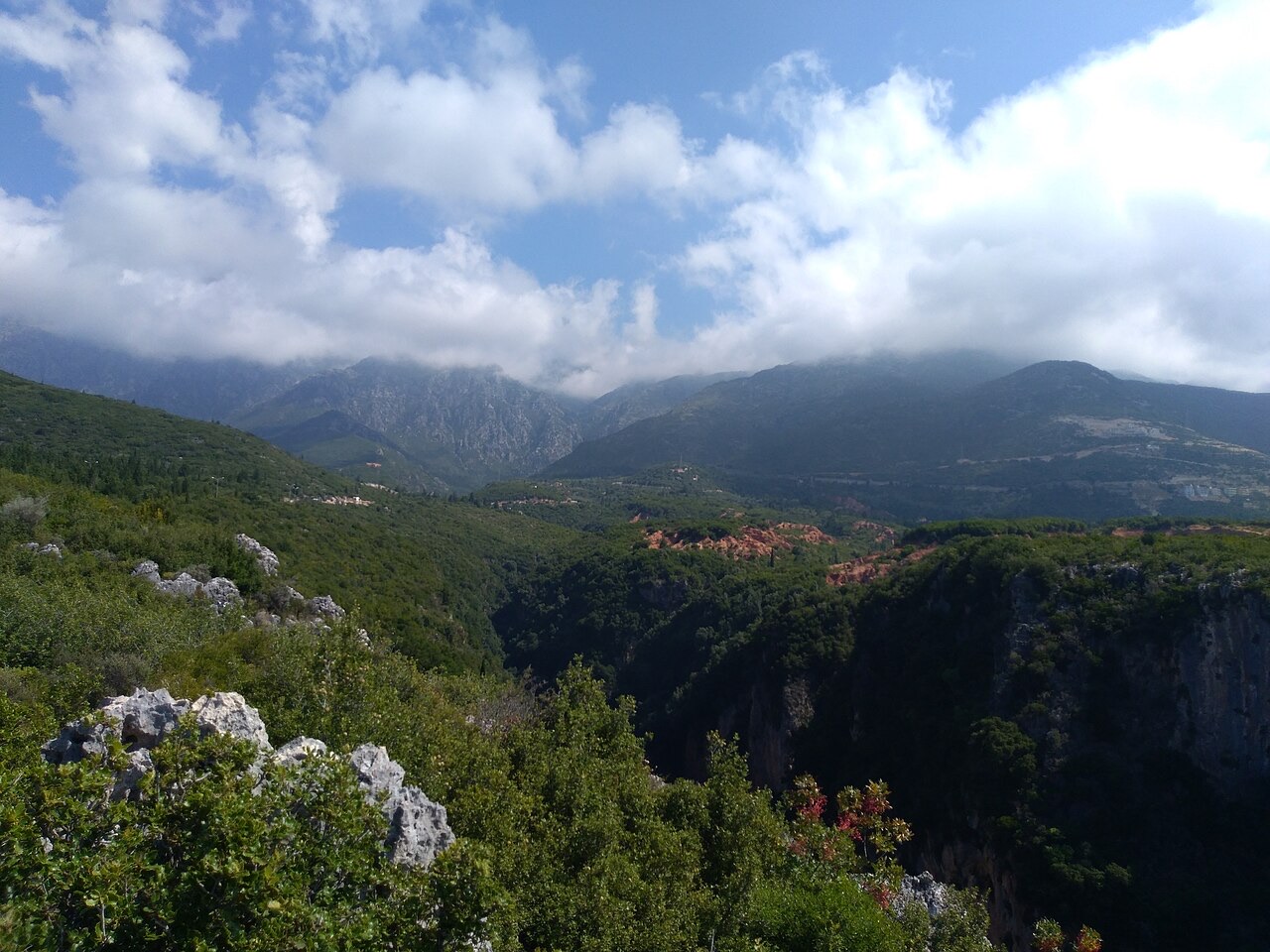
A narrow limestone slot that meets the sea at Gjipe beach — the Riviera's one true canyon.
सहेजें
Gjipe Canyon is a narrow crack in the rock that runs down to the sea. Walkers follow it to reach the beach at the bottom.
Gjipe Canyon is a narrow crack in the rock that runs down to the sea. Walkers follow it to reach the beach at the bottom.
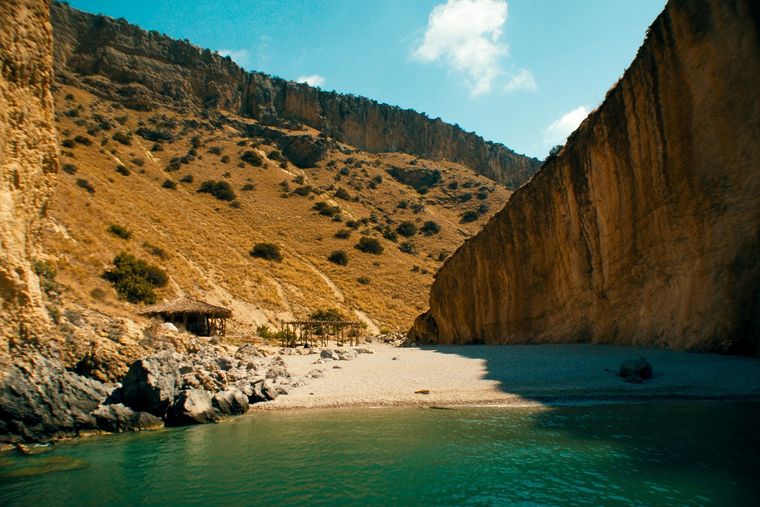
Gjipe Canyon (Albanian: Kanioni i Gjipesë) is a calcareous canyon and bay situated between the coastal settlements of Dhërmi and Vuno in Vlorë County, southern Albania. It lies at the transition zone between the Adriatic Sea and the Ionian Sea, placing it within the broader coastal stretch known as the Albanian Riviera.
The canyon extends 800 metres (2,600 ft) in length and varies in width between 10 metres (33 ft) and 20 metres (66 ft). This narrow passage was formed by the erosive action of a brook flowing through the gorge, which cut through the calcareous rock over time. Rock formations, including a number of caves, line the canyon walls along its course.
The canyon represents a narrow strait carved primarily by the activity of a brook running through its confined pass, with the Ionian Sea also contributing to its formation. The rock is calcareous in character, consistent with the limestone geology widespread across the Albanian coastal ranges.
The canyon's narrow profile — at points only 10 metres wide — reflects sustained erosion through a geologically resistant but soluble rock type. The resulting cave formations along its walls are a direct product of this long-term chemical and mechanical weathering process.
In phytogeographic terms, Gjipe Canyon belongs to the Illyrian province of the circumboreal region within the boreal Kingdom. It falls entirely within the Illyrian deciduous forests terrestrial ecoregion, which is itself part of the broader Palearctic Mediterranean forests, woodlands, and scrub biome.
Among the vegetation present, the carob and olive are described as particularly significant elements. Both species have been cultivated or harvested in Albania since antiquity, and their presence in the canyon reflects the continuity of a Mediterranean plant community suited to the local climate and proximity to the sea.
Gjipe Canyon has been recognised as an Important Plant Area (IPA) of international importance by Plantlife, the international conservation organisation. This designation reflects the canyon's support for a number of rare and endemic plant species.
The IPA status places Gjipe Canyon within a framework of internationally significant botanical sites. The combination of its specific coastal landscape and local climatic conditions is identified as a primary factor enabling the diversity and rarity of its plant life.
The canyon contains shallow coastal waters that provide habitat for the loggerhead sea turtle (Caretta caretta), described in the article as the most familiar turtle species in the Mediterranean Sea. The particular climate and seascape of the site are cited as factors favouring the development of a broad range of faunal species.
Three cetacean species have been identified in the waters of the canyon: the Cuvier's beaked whale, the common bottlenose dolphin, and the short-beaked common dolphin. The article notes that dolphin sightings in the region are not uncommon.
The canyon is described as among the most visited natural attractions along the Albanian Riviera, a status attributed to its position at the transition zone between the Adriatic and Ionian seas and the character of its coastal scenery.
Despite visitor interest, the site carries formal conservation significance through its IPA designation, which reflects ecological and botanical values independent of its popularity. No specific visitor infrastructure, access routes, or management arrangements are described in the available source material.
सबसे गर्म महीना है August (औसत दैनिक अधिकतम 28°C), सबसे ठंडा है January (औसत दैनिक न्यूनतम 5°C), और सबसे अधिक वर्षा वाला है November (255 mm). कुल वार्षिक वर्षा का औसत है 1,652 mm. समुद्र का तापमान अगस्त में लगभग अपने चरम पर पहुँचता है 26°C.
| माह | अधिकतम | न्यूनतम | वर्षा | वर्षा के दिन | धूप/दिन | समुद्र |
|---|---|---|---|---|---|---|
| January | 10°C | 5°C | 190 mm | 13 | 7.1 h | 17°C |
| February | 11°C | 5°C | 163 mm | 12 | 8.0 h | 15°C |
| March | 13°C | 6°C | 156 mm | 13 | 9.5 h | 15°C |
| April | 16°C | 9°C | 117 mm | 14 | 10.8 h | 16°C |
| May | 21°C | 14°C | 93 mm | 12 | 12.1 h | 19°C |
| June | 25°C | 18°C | 59 mm | 8 | 13.6 h | 24°C |
| July | 28°C | 20°C | 30 mm | 6 | 13.8 h | 26°C |
| August | 28°C | 21°C | 39 mm | 6 | 12.9 h | 26°C |
| September | 24°C | 17°C | 138 mm | 11 | 10.7 h | 26°C |
| October | 20°C | 14°C | 173 mm | 11 | 9.2 h | 25°C |
| November | 16°C | 10°C | 255 mm | 14 | 7.1 h | 21°C |
| December | 12°C | 6°C | 238 mm | 14 | 6.5 h | 18°C |
स्रोत: ERA5 reanalysis via Open-Meteo, 1994–2023 · "अधिकतम" और "न्यूनतम" क्रमशः औसत दैनिक अधिकतम और न्यूनतम वायु तापमान हैं। "वर्षा के दिन" उन दिनों की गणना करता है जिनमें कम से कम 1 मिमी वर्षण हुई हो।
समुद्र तट · Vlorë
A pebble beach at the mouth of a limestone canyon, reachable only on foot or by boat.
गाँव · Vlorë
An old white village on the slope above one of the Riviera's longest pebble beaches.
इस पृष्ठ पर कुछ गलत है? सुधार स्वागतयोग्य हैं और स्रोत अभिलेख के विरुद्ध जाँचे जाते हैं। हमें बताएँ क्या गलत है और, यदि संभव हो, तो सही आँकड़ा कहाँ से आता है।