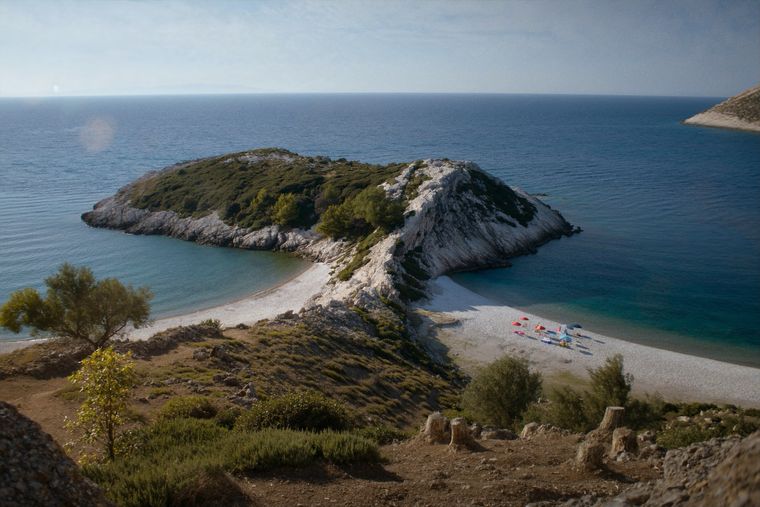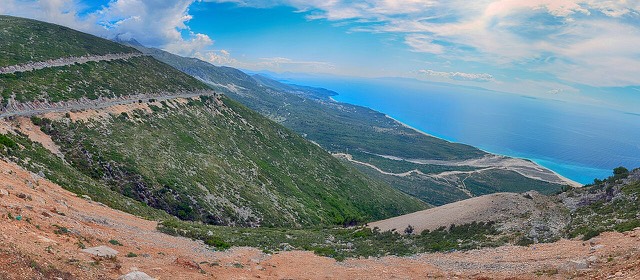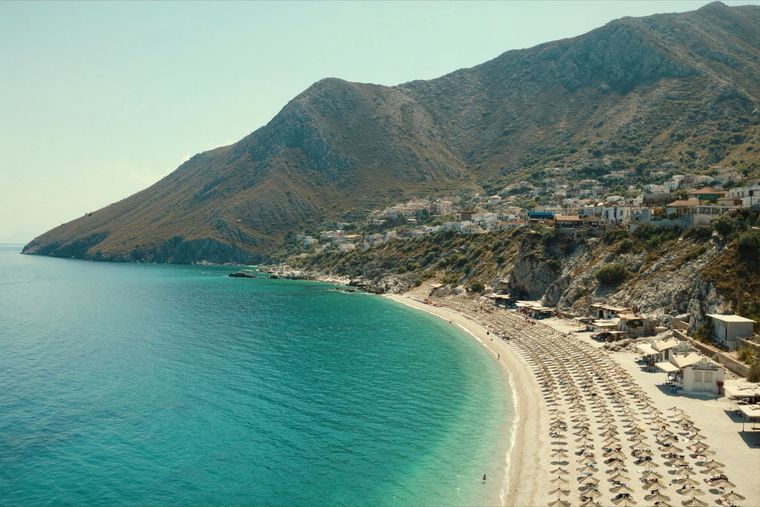
해변 · Vlorë
Dhërmi Beach
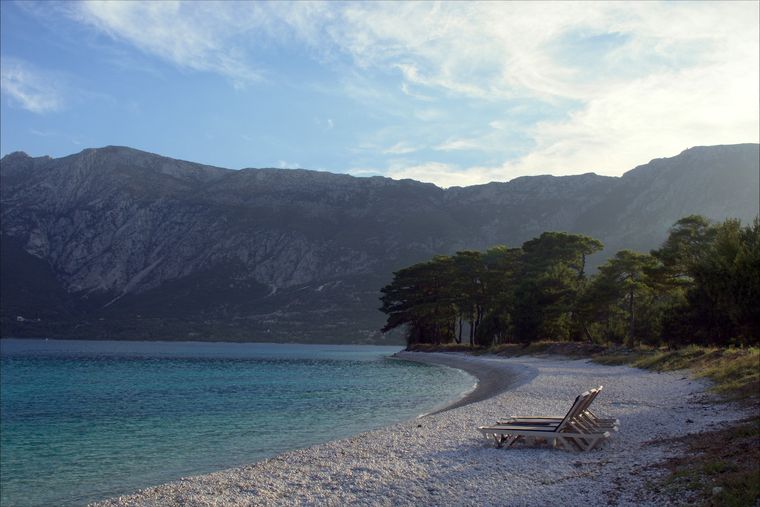
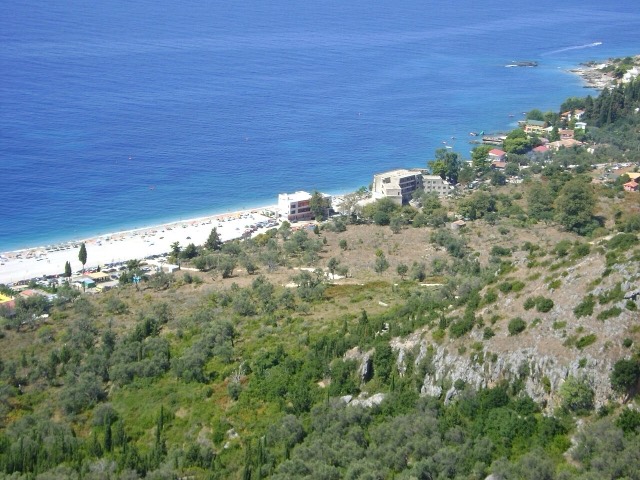
A long white pebble shore under the Ceraunian ridge, and the Riviera's main nightlife strip.
모든 주, 모든 해안, 모든 세기
안내 보기
알바니아가 처음이신가요? 모든 페이지는 세부 내용이 시작되기 전에, 열 살짜리 아이도 이해할 수 있는 평이한 설명으로 시작됩니다.
전문가 보기
기본 내용은 이미 알고 계신가요? 간단한 설명은 숨기고 핵심 내용만 바로 확인하세요. 이것이 기본 설정입니다.
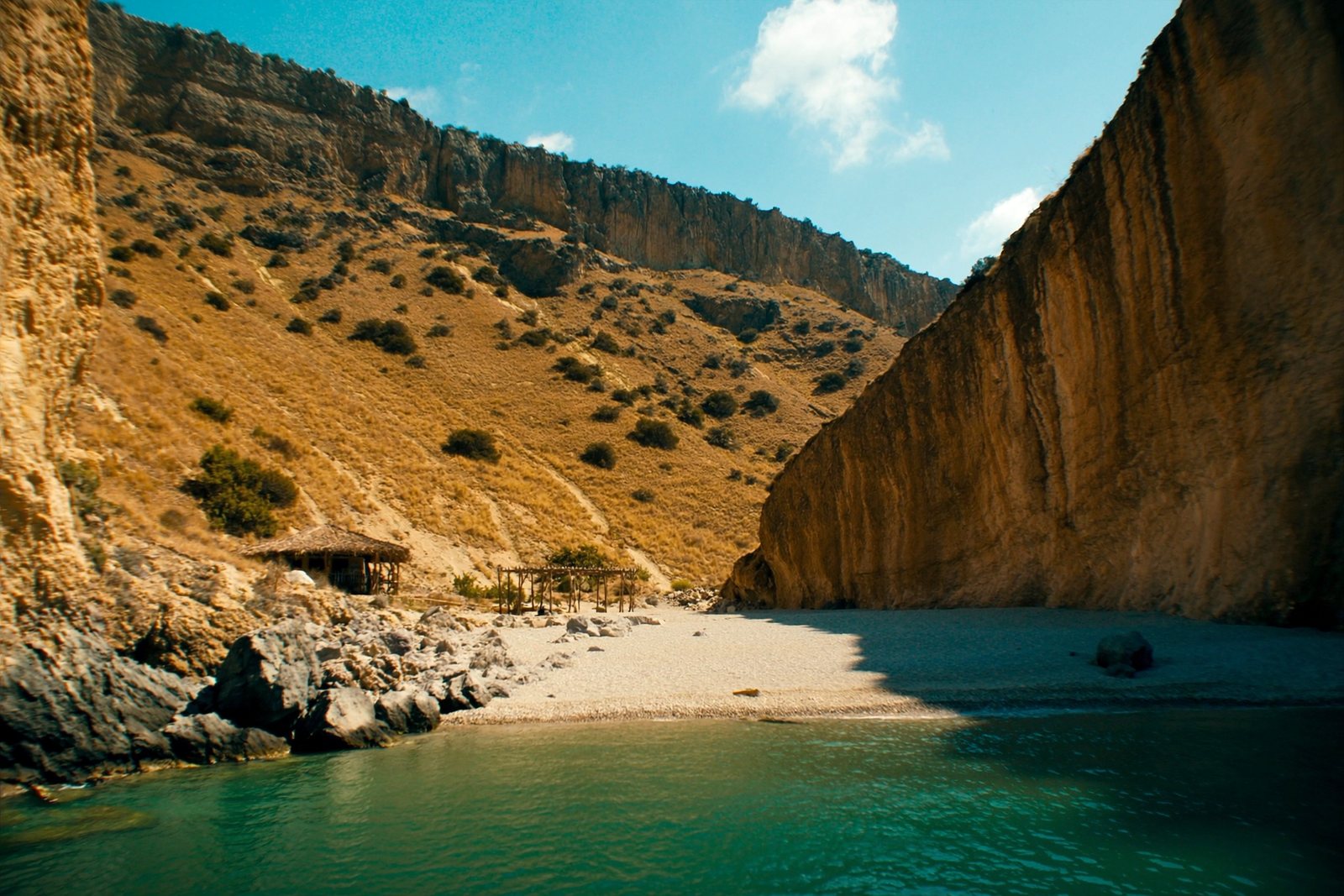
해변 · Vlorë County
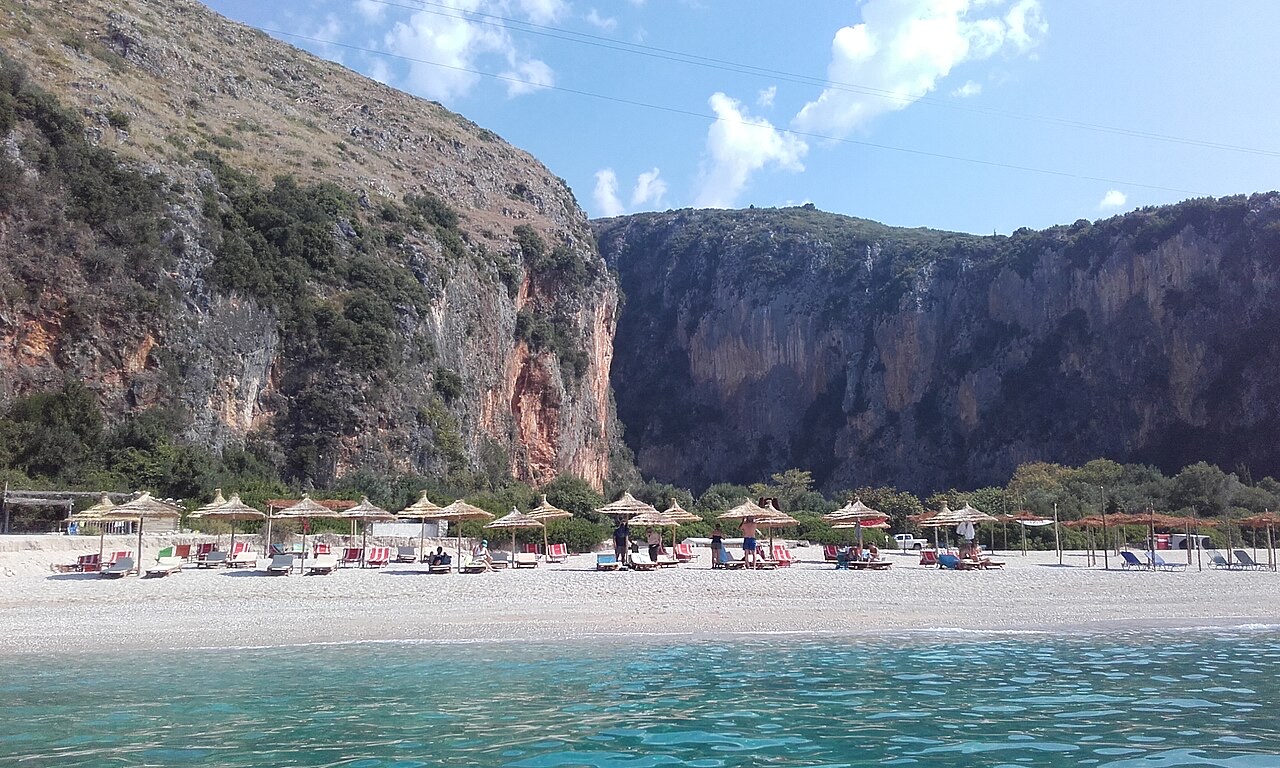
A pebble beach at the mouth of a limestone canyon, reachable only on foot or by boat.
저장
Gjipe is a beach where a narrow rocky canyon meets the sea. There is no road right to it — you walk down for about half an hour or arrive by boat. Some people camp there.
Gjipe is a beach where a narrow rocky canyon meets the sea. There is no road right to it — you walk down for about half an hour or arrive by boat. Some people camp there.
Gjipe Beach and its associated canyon (Albanian: Kanioni i Gjipesë) lie on the Albanian Riviera in Vlorë County, positioned between the coastal villages of Dhërmi and Vuno. The site sits at the transition zone between the Adriatic Sea and the Ionian Sea, a factor that shapes both its physical character and its ecological conditions.
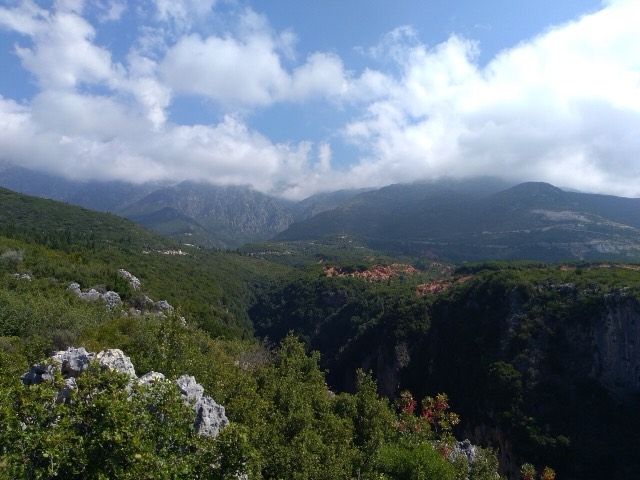
The canyon is calcareous in origin and was carved by the Ionian Sea in combination with a small brook that flows through its narrow pass. That brook activity is credited with creating the strait-like formation that defines the canyon's interior.
The canyon extends 800 metres (2,600 ft) in length. Its width is variable, ranging between 10 metres (33 ft) and 20 metres (66 ft) at different points along its course. This narrow profile gives the canyon its strait-like character.
Numerous rock formations line the canyon walls, and the article records the presence of a number of caves along its length. No further specification of individual formations or cave names is provided in the available source material.
In phytogeographic terms, the canyon belongs to the Illyrian province of the circumboreal region within the boreal Kingdom. It falls entirely within the Illyrian deciduous forests terrestrial ecoregion, which is itself part of the Palearctic Mediterranean forests, woodlands, and scrub biome.
Among the vegetation present, the carob and olive are described as particularly significant elements. Both species have been cultivated and produced in Albania since antiquity. The canyon has been recognised by Plantlife as an Important Plant Area of international importance on the basis that it supports a number of rare and endemic plant species.
Plantlife, an international plant conservation organisation, has designated the Gjipe canyon as an Important Plant Area (IPA) of international importance. This designation reflects the presence of rare and endemic species within the canyon, though the article does not specify which species qualify it for that status or when the designation was conferred.
The IPA status places Gjipe alongside other sites of botanical significance and connects it to an internationally recognised framework for plant conservation, distinct from any formal Albanian protected-area designation mentioned in the source.
The canyon's shallow coastal waters provide habitat for the loggerhead sea turtle (Caretta caretta), described in the article as the most familiar turtle species in the Mediterranean Sea. The presence of sufficient coastal habitat within the bay supports this species.
Three cetacean species have been identified in the waters of the area: the Cuvier's beaked whale, the common bottlenose dolphin, and the short-beaked common dolphin. The article notes that dolphins are not uncommon in the region generally.
Despite its relatively small scale, the canyon and beach are described as among the most visited attractions along the Albanian Riviera. The article attributes this to the specific landscape immediately beside the sea and the particular local climate, which together have favoured the development of a wide range of faunal species.
No infrastructure, access road details, or visitor management arrangements are described in the available source material. The site's position between Dhërmi and Vuno places it within the broader stretch of the Albanian Ionian Sea coast, a coastline referenced in Albanian geographical and conservation literature.
가장 더운 달은 August (일 최고 기온 평균 28°C), 가장 추운 달은 January (일 최저 기온 평균 5°C), 가장 강수량이 많은 달은 November (255 mm). 연평균 강수량은 1,652 mm. 해수 온도는 8월에 약 26°C.
| 월 | 최고 | 최저 | 강수량 | 강수일 | 일조 시간 | 해수 온도 |
|---|---|---|---|---|---|---|
| January | 10°C | 5°C | 190 mm | 13 | 7.1 h | 17°C |
| February | 11°C | 5°C | 163 mm | 12 | 8.0 h | 15°C |
| March | 13°C | 6°C | 156 mm | 13 | 9.5 h | 15°C |
| April | 16°C | 9°C | 117 mm | 14 | 10.8 h | 16°C |
| May | 21°C | 14°C | 93 mm | 12 | 12.1 h | 19°C |
| June | 25°C | 18°C | 59 mm | 8 | 13.6 h | 24°C |
| July | 28°C | 20°C | 30 mm | 6 | 13.8 h | 26°C |
| August | 28°C | 21°C | 39 mm | 6 | 12.9 h | 26°C |
| September | 24°C | 17°C | 138 mm | 11 | 10.7 h | 26°C |
| October | 20°C | 14°C | 173 mm | 11 | 9.2 h | 25°C |
| November | 16°C | 10°C | 255 mm | 14 | 7.1 h | 21°C |
| December | 12°C | 6°C | 238 mm | 14 | 6.5 h | 18°C |
출처: ERA5 reanalysis via Open-Meteo, 1994–2023 · "최고" 및 "최저"는 일 최고·최저 기온의 평균값입니다. "강수일"은 강수량이 1mm 이상인 날의 수입니다.
해변 · Vlorë
A long white pebble shore under the Ceraunian ridge, and the Riviera's main nightlife strip.
해변 · Vlorë
The pine-backed northern half of the Dhërmi bay, slightly quieter than the main strip.
마을 · Vlorë
An old white village on the slope above one of the Riviera's longest pebble beaches.
협곡 · Vlorë
A narrow limestone slot that meets the sea at Gjipe beach — the Riviera's one true canyon.
해변 · Vlorë
Two adjacent pebble coves below Vuno, long a summer-camping spot for young Albanians.
제목 · Vlorë
The 120 km of Ionian coast between the Llogara pass and Sarandë, where the Ceraunian mountains fall straight into the sea.
이 페이지에 오류가 있습니까? 수정 제안을 환영하며, 출처 기록과 대조하여 검토합니다. 잘못된 내용과 가능하다면 올바른 수치의 출처를 알려 주십시오.