شاطئ · Vlorë
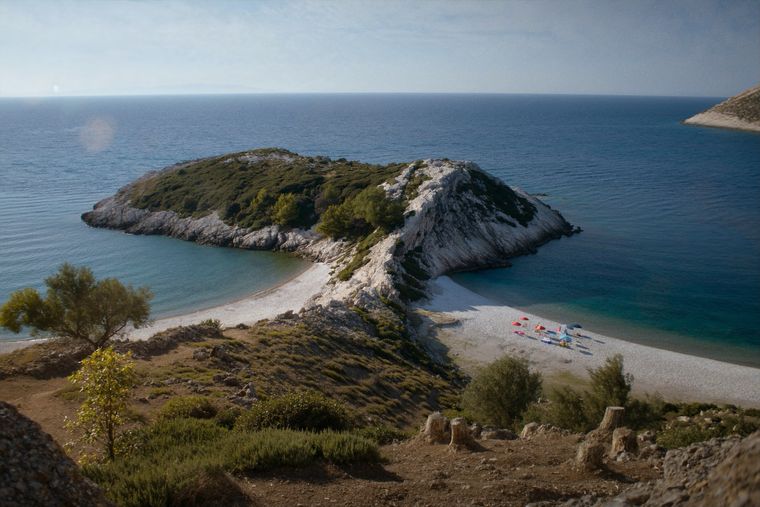
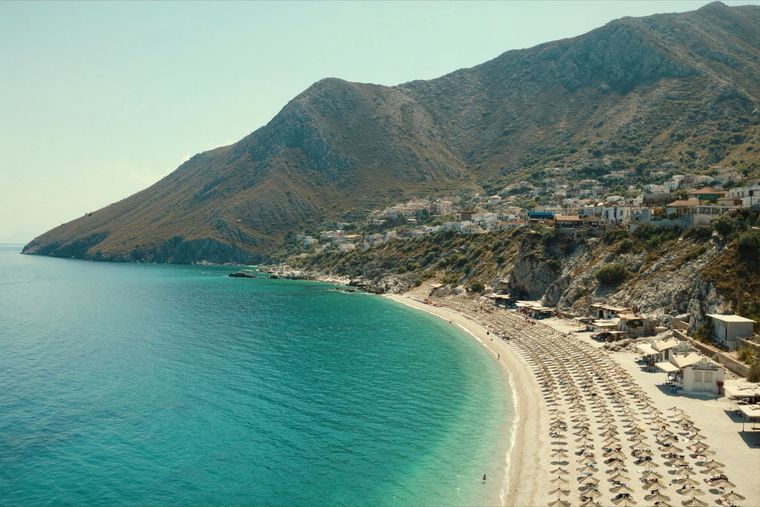
Dhërmi Beach
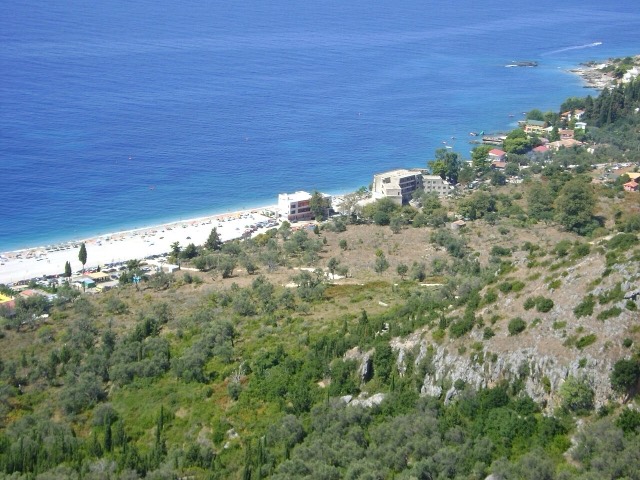
A long white pebble shore under the Ceraunian ridge, and the Riviera's main nightlife strip.
كل مقاطعة، كل ساحل، كل قرن
عرض إرشادي
هل أنت جديد على ألبانيا؟ تفتتح كل صفحة بشرح مبسّط يمكن قراءته لطفل في العاشرة من عمره، قبل أن تبدأ التفاصيل.
عرض للمتخصصين
أنت تعرف الأساسيات بالفعل. مباشرةً إلى الجوهر، مع إخفاء الشروح المبسّطة. هذا هو الوضع الافتراضي.
شاطئ · Vlorë County
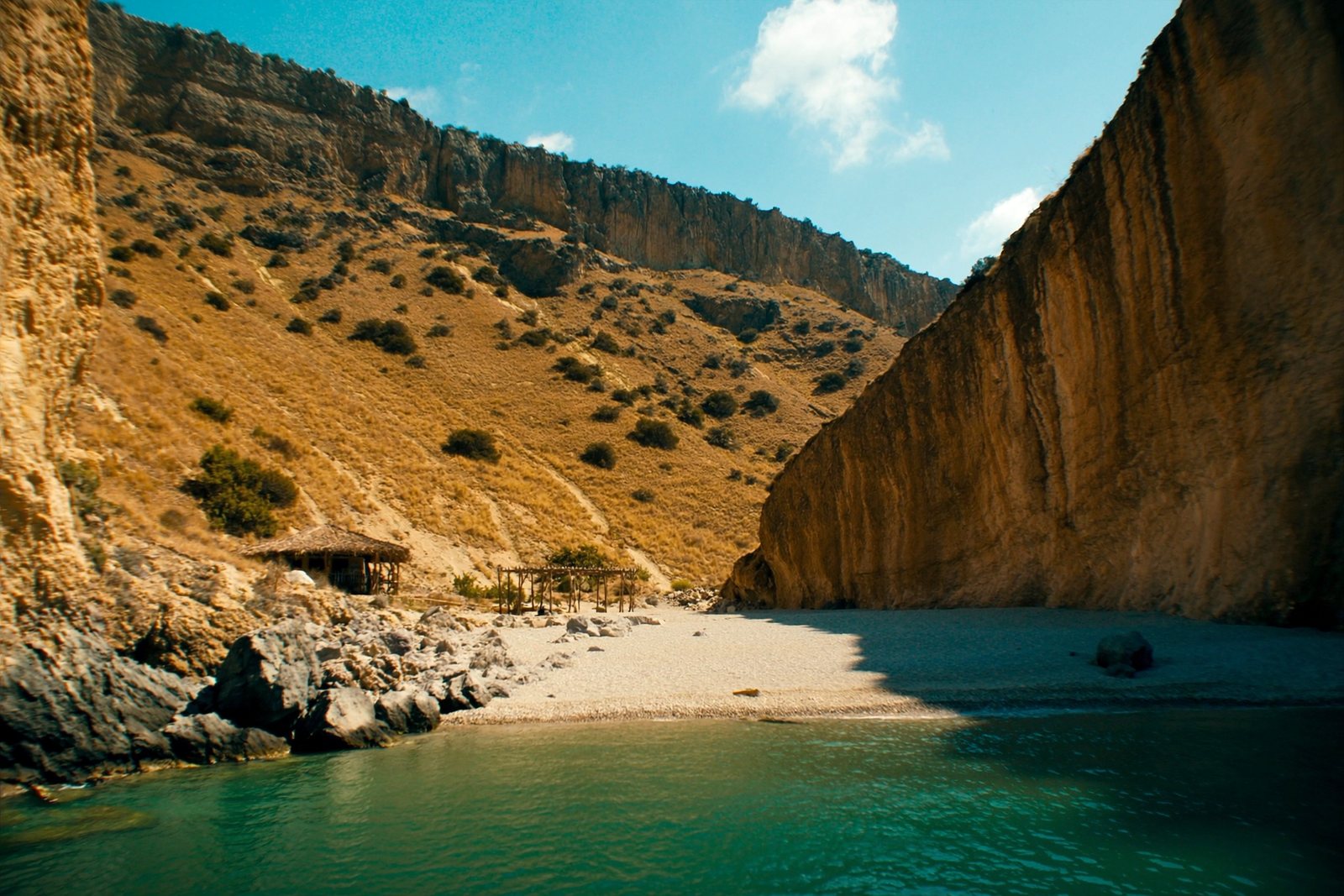
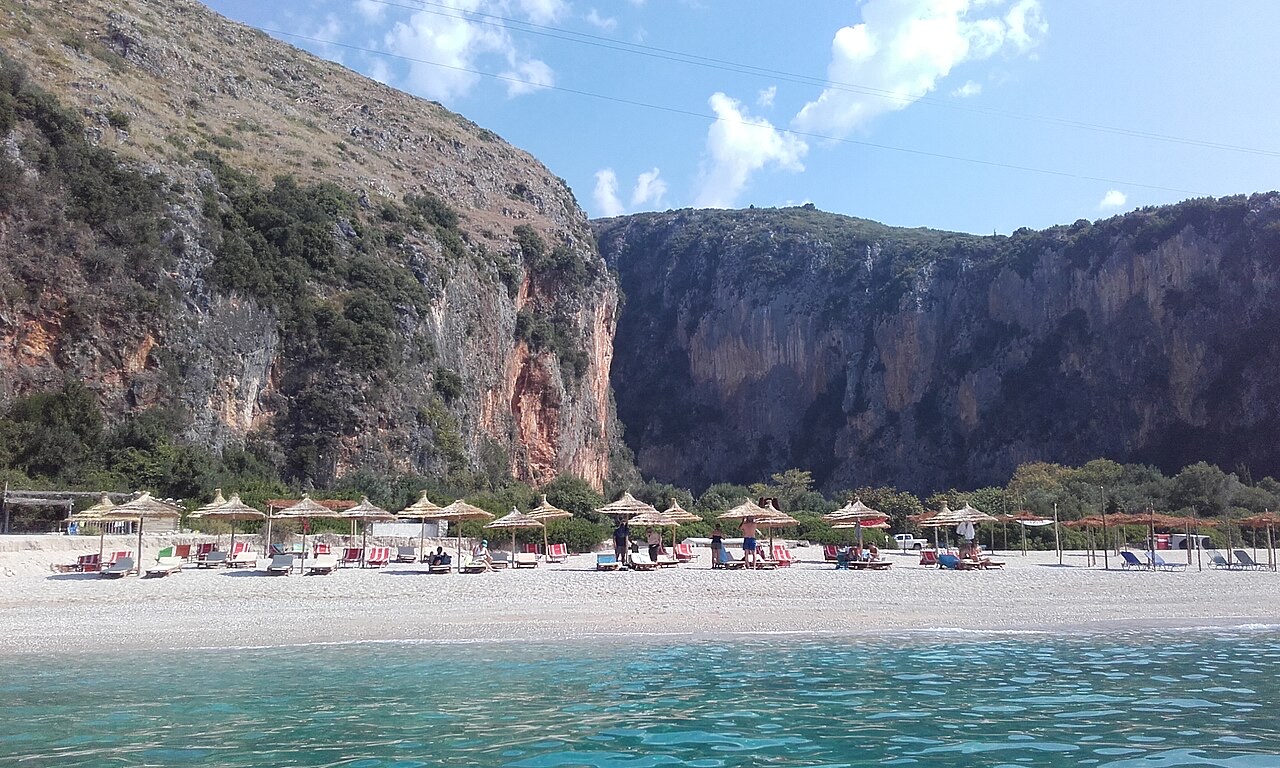
A pebble beach at the mouth of a limestone canyon, reachable only on foot or by boat.
حفظ
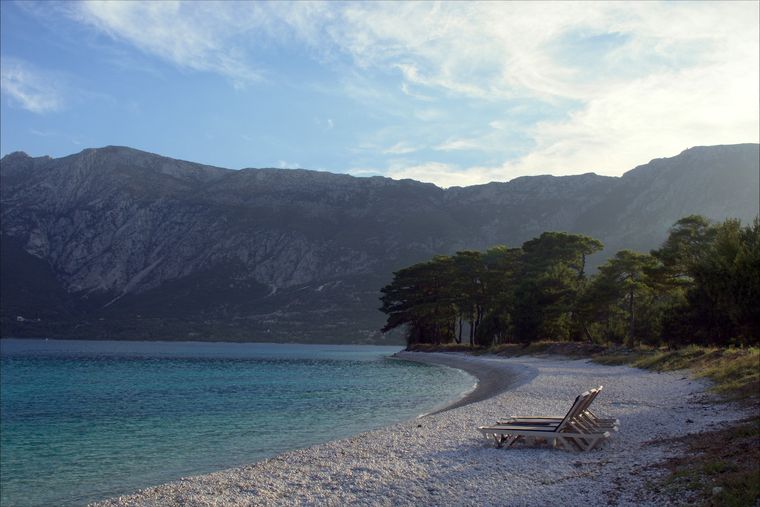
Gjipe is a beach where a narrow rocky canyon meets the sea. There is no road right to it — you walk down for about half an hour or arrive by boat. Some people camp there.
Gjipe is a beach where a narrow rocky canyon meets the sea. There is no road right to it — you walk down for about half an hour or arrive by boat. Some people camp there.
Gjipe Beach and its associated canyon (Albanian: Kanioni i Gjipesë) lie on the Albanian Riviera in Vlorë County, positioned between the coastal villages of Dhërmi and Vuno. The site sits at the transition zone between the Adriatic Sea and the Ionian Sea, a factor that shapes both its physical character and its ecological conditions.
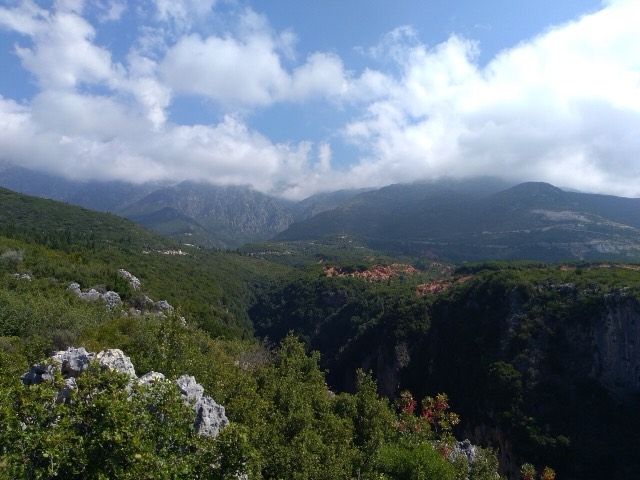
The canyon is calcareous in origin and was carved by the Ionian Sea in combination with a small brook that flows through its narrow pass. That brook activity is credited with creating the strait-like formation that defines the canyon's interior.
The canyon extends 800 metres (2,600 ft) in length. Its width is variable, ranging between 10 metres (33 ft) and 20 metres (66 ft) at different points along its course. This narrow profile gives the canyon its strait-like character.
Numerous rock formations line the canyon walls, and the article records the presence of a number of caves along its length. No further specification of individual formations or cave names is provided in the available source material.
In phytogeographic terms, the canyon belongs to the Illyrian province of the circumboreal region within the boreal Kingdom. It falls entirely within the Illyrian deciduous forests terrestrial ecoregion, which is itself part of the Palearctic Mediterranean forests, woodlands, and scrub biome.
Among the vegetation present, the carob and olive are described as particularly significant elements. Both species have been cultivated and produced in Albania since antiquity. The canyon has been recognised by Plantlife as an Important Plant Area of international importance on the basis that it supports a number of rare and endemic plant species.
Plantlife, an international plant conservation organisation, has designated the Gjipe canyon as an Important Plant Area (IPA) of international importance. This designation reflects the presence of rare and endemic species within the canyon, though the article does not specify which species qualify it for that status or when the designation was conferred.
The IPA status places Gjipe alongside other sites of botanical significance and connects it to an internationally recognised framework for plant conservation, distinct from any formal Albanian protected-area designation mentioned in the source.
The canyon's shallow coastal waters provide habitat for the loggerhead sea turtle (Caretta caretta), described in the article as the most familiar turtle species in the Mediterranean Sea. The presence of sufficient coastal habitat within the bay supports this species.
Three cetacean species have been identified in the waters of the area: the Cuvier's beaked whale, the common bottlenose dolphin, and the short-beaked common dolphin. The article notes that dolphins are not uncommon in the region generally.
Despite its relatively small scale, the canyon and beach are described as among the most visited attractions along the Albanian Riviera. The article attributes this to the specific landscape immediately beside the sea and the particular local climate, which together have favoured the development of a wide range of faunal species.
No infrastructure, access road details, or visitor management arrangements are described in the available source material. The site's position between Dhërmi and Vuno places it within the broader stretch of the Albanian Ionian Sea coast, a coastline referenced in Albanian geographical and conservation literature.
أكثر الأشهر دفئاً هو August (متوسط أعلى درجة حرارة يومية 28°C), وأبردها هو January (متوسط أدنى درجة حرارة يومية 5°C), وأكثرها مطراً هو November (255 mm). يبلغ متوسط هطول الأمطار السنوي الإجمالي 1,652 mm. تبلغ حرارة البحر ذروتها في أغسطس عند نحو 26°C.
| الشهر | الأعلى | الأدنى | الأمطار | أيام المطر | ساعات الشمس/اليوم | البحر |
|---|---|---|---|---|---|---|
| January | 10°C | 5°C | 190 mm | 13 | 7.1 h | 17°C |
| February | 11°C | 5°C | 163 mm | 12 | 8.0 h | 15°C |
| March | 13°C | 6°C | 156 mm | 13 | 9.5 h | 15°C |
| April | 16°C | 9°C | 117 mm | 14 | 10.8 h | 16°C |
| May | 21°C | 14°C | 93 mm | 12 | 12.1 h | 19°C |
| June | 25°C | 18°C | 59 mm | 8 | 13.6 h | 24°C |
| July | 28°C | 20°C | 30 mm | 6 | 13.8 h | 26°C |
| August | 28°C | 21°C | 39 mm | 6 | 12.9 h | 26°C |
| September | 24°C | 17°C | 138 mm | 11 | 10.7 h | 26°C |
| October | 20°C | 14°C | 173 mm | 11 | 9.2 h | 25°C |
| November | 16°C | 10°C | 255 mm | 14 | 7.1 h | 21°C |
| December | 12°C | 6°C | 238 mm | 14 | 6.5 h | 18°C |
المصدر: ERA5 reanalysis via Open-Meteo, 1994–2023 · "الأعلى" و"الأدنى" هما متوسط أقصى وأدنى درجة حرارة يومية للهواء. تحسب "أيام المطر" الأيام التي يبلغ فيها الهطول مليمتراً واحداً على الأقل.
شاطئ · Vlorë
A long white pebble shore under the Ceraunian ridge, and the Riviera's main nightlife strip.
شاطئ · Vlorë
The pine-backed northern half of the Dhërmi bay, slightly quieter than the main strip.
قرية · Vlorë
An old white village on the slope above one of the Riviera's longest pebble beaches.
وادٍ · Vlorë
A narrow limestone slot that meets the sea at Gjipe beach — the Riviera's one true canyon.
شاطئ · Vlorë
Two adjacent pebble coves below Vuno, long a summer-camping spot for young Albanians.
الموضوع · Vlorë
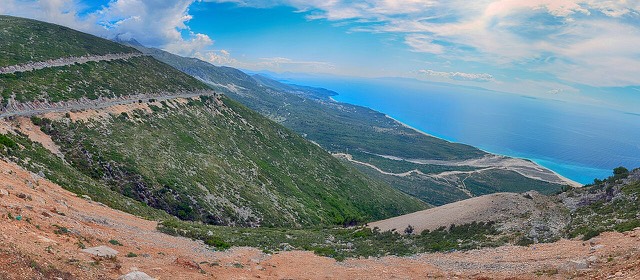
The 120 km of Ionian coast between the Llogara pass and Sarandë, where the Ceraunian mountains fall straight into the sea.
ثمة خطأ في هذه الصفحة؟ نرحب بالتصويبات وتُراجَع في مواجهة سجل المصدر. أخبرنا بما هو خاطئ، وإن أمكن، بالمكان الذي يأتي منه الرقم الصحيح.